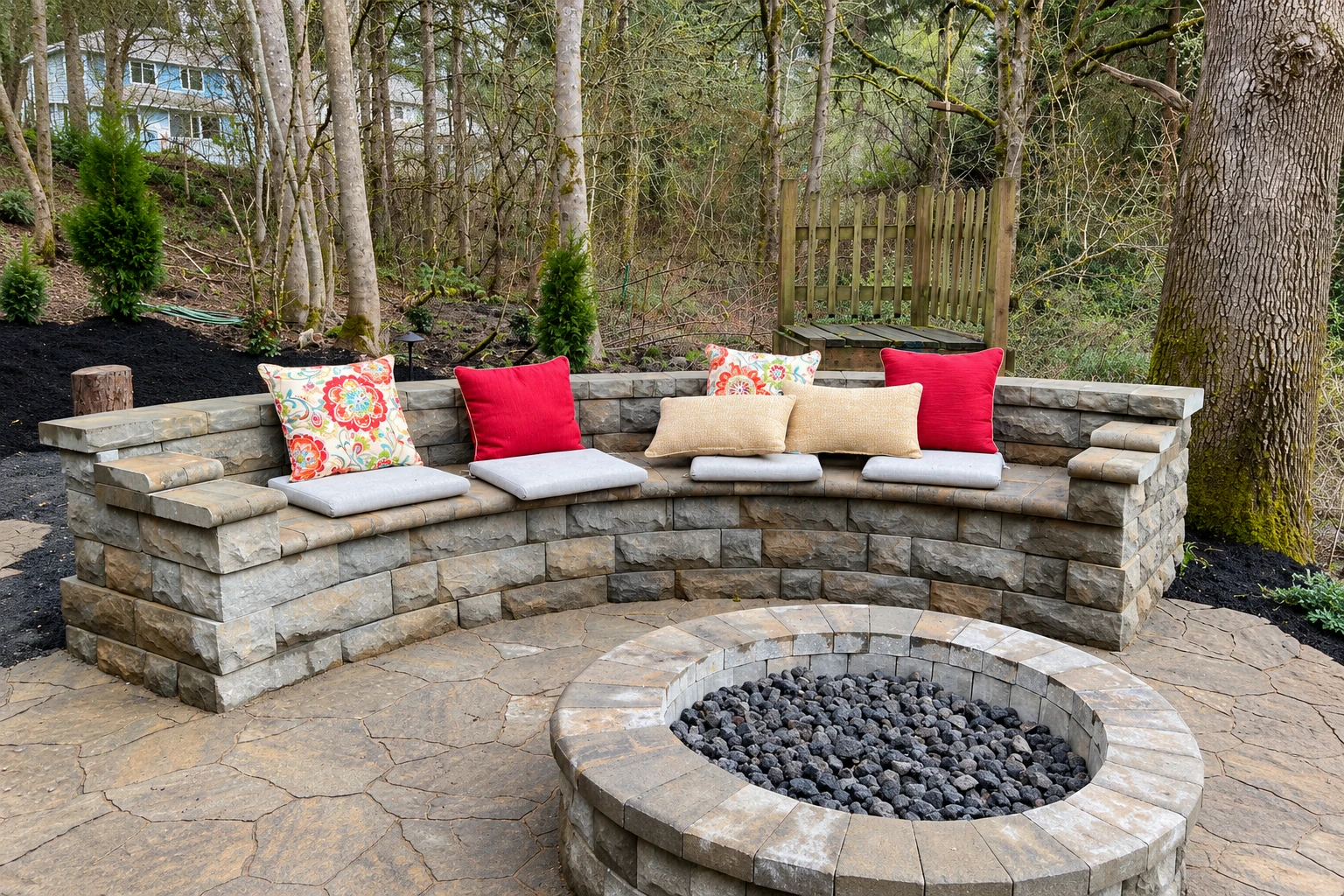
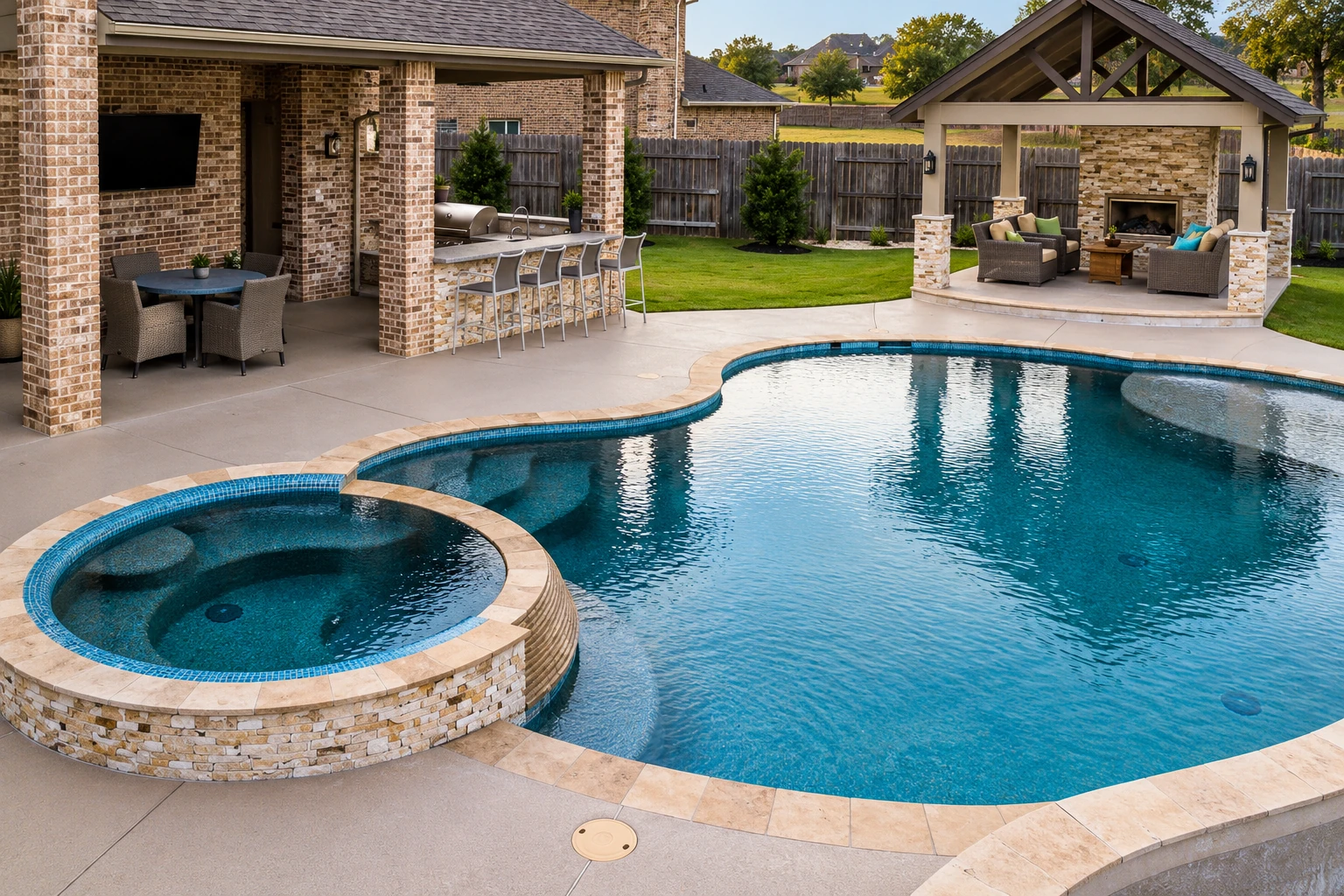
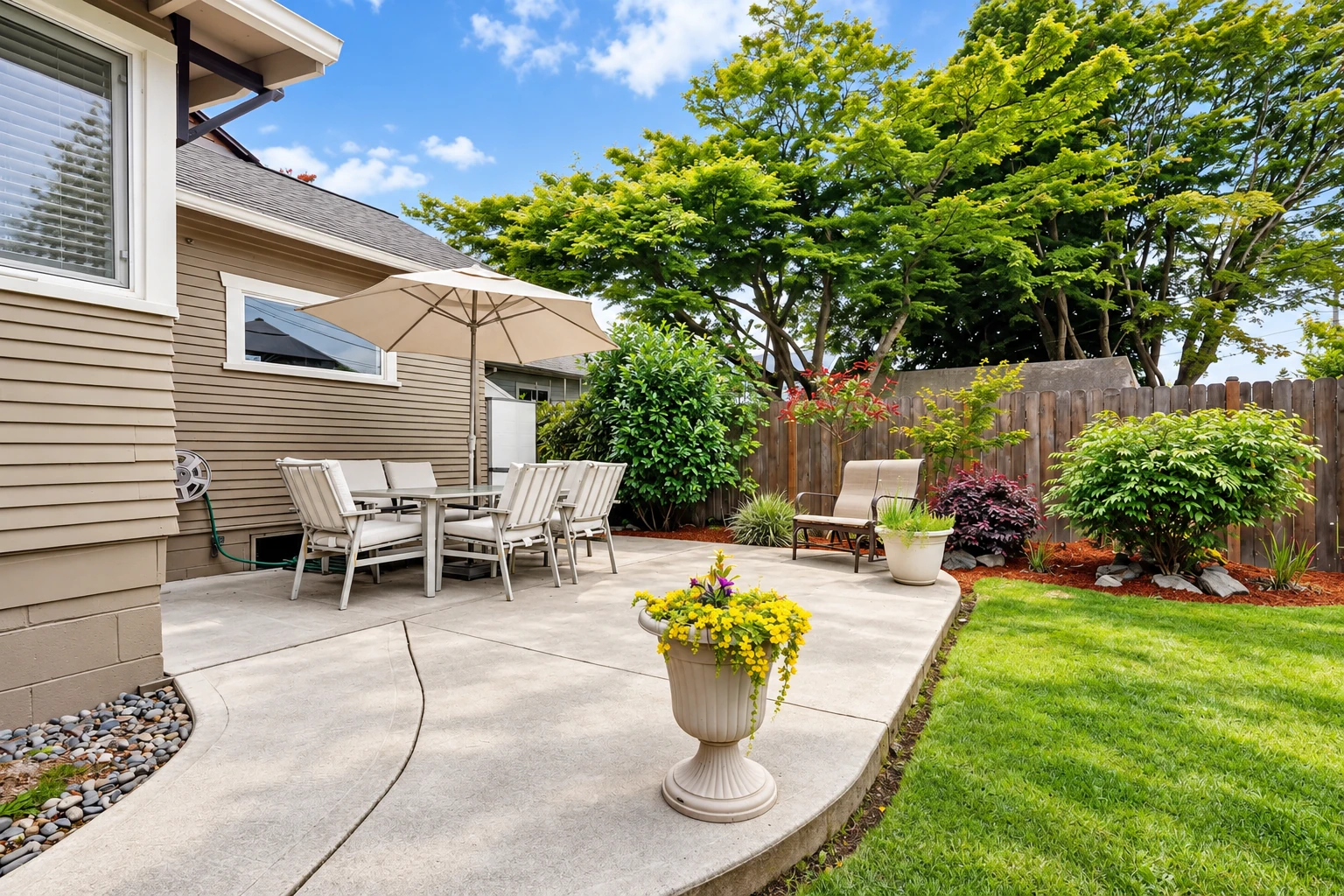
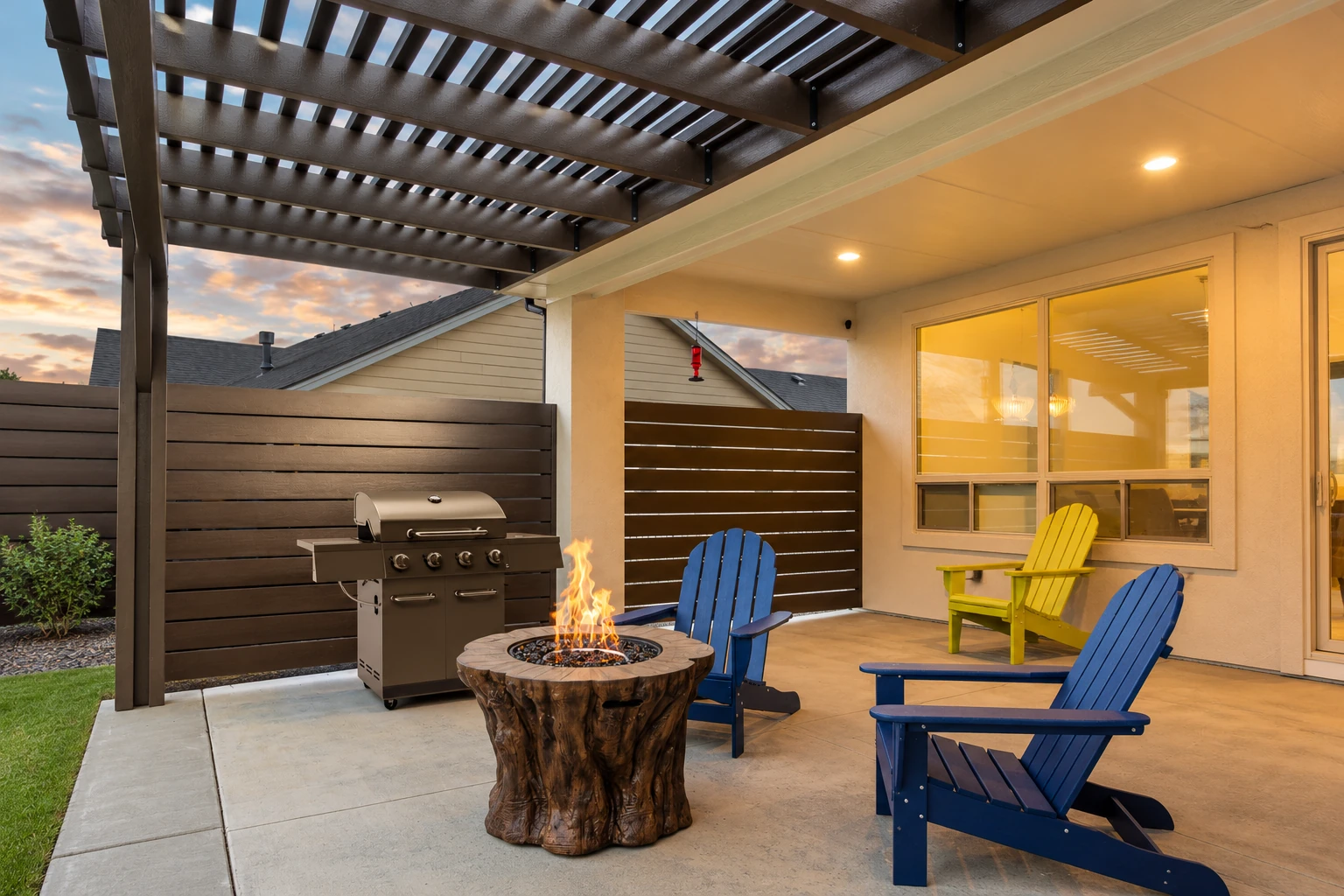
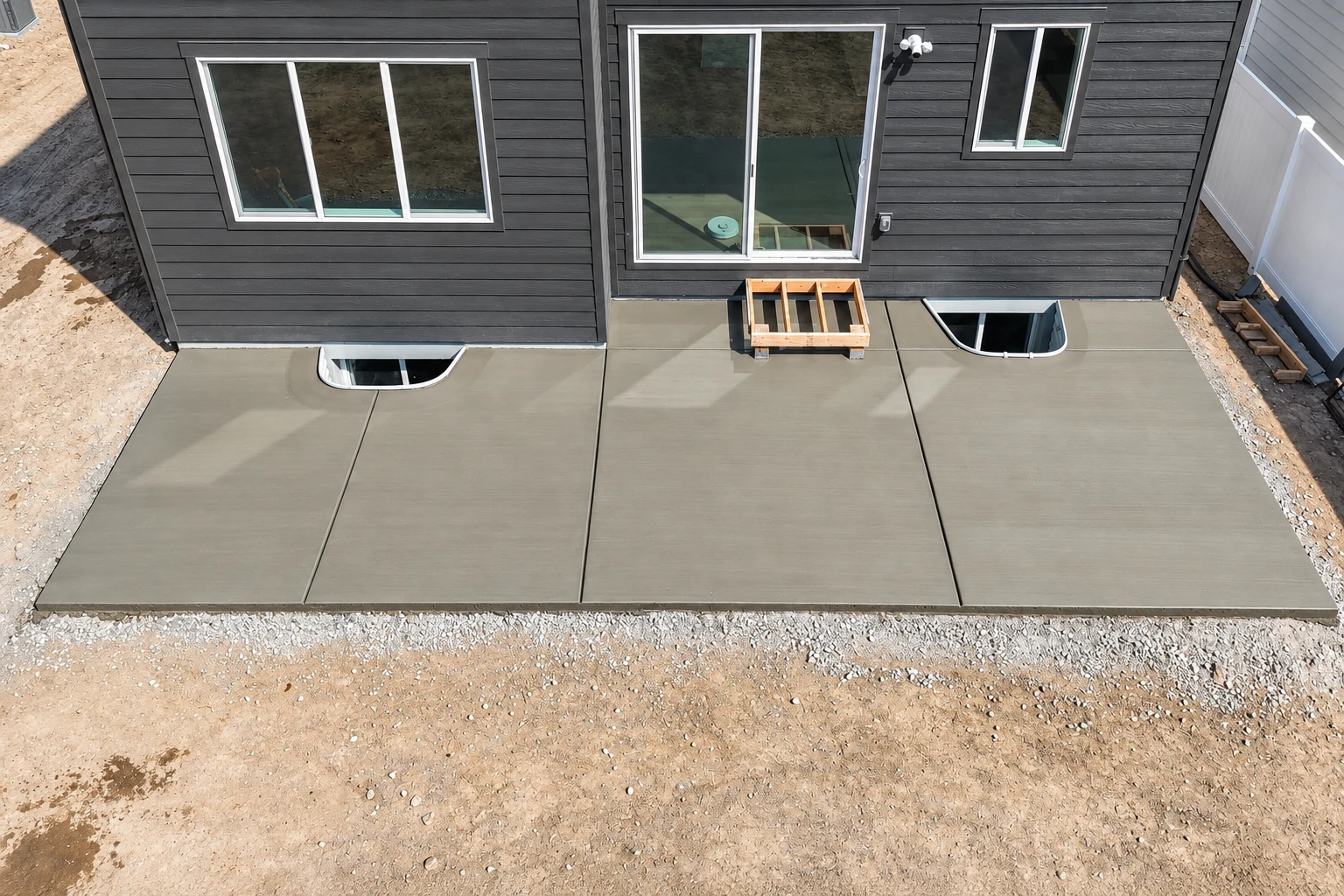
We're a concrete contractor in Fullerton, CA, and Anaheim is right next door, a short drive for our crew. It's a big city with a lot of variety. There are older neighborhoods of single-story houses with driveways running out to the street, newer tracts and hillside homes out east, and apartments, shops and commercial lots in between. Most calls here are for driveways, sidewalks and concrete patio construction out back, the same work we do in Buena Park and Orange.
That mix shapes the job. An older driveway usually means tearing out what's there and rebuilding the ground under it. A sloped lot means working out where the water goes before we set a single form.
Who signs off on concrete work here
The city reviews plans and inspects the work, so when your job needs a permit, the city checks it along the way. When it does, we pull the permit ourselves and keep you posted on where it stands. If I'm not sure what the city wants for your job, I ask the office before I give you a price, not after. Anaheim also requires a city business license from anyone doing business there, including contractors based outside the city, like us in Fullerton. It's a fair thing to ask any contractor about before you sign.
Pouring around Anaheim's rain and heat
Most of Anaheim's rain falls in December, January and February, and the summers are close to dry. Winter is when bad drainage shows up, as water pooling against the house or washing under a slab. Summer is when heat becomes the problem. We check where the water runs before we form anything, and we pitch the slab away from the house. In warm months we pour early, because concrete that dries out in midday heat can end up with a weak, dusty top. Curing, the wait while the slab gains strength, runs slower in cold, wet weeks, so a winter schedule can shift with the forecast.
What sets the price and the schedule
Price turns on the size of the slab, how much old concrete has to come out, how close a truck can get and the finish you pick. A broom finish is a light brushed texture that keeps a driveway from getting slick, and it costs less than stamped. The first thing people want to cut is the base, because you can't see it on day one. That's the one place I won't trim, because everything above it depends on it. The schedule depends on permits, weather and curing, and you can walk on a new slab well before you can drive on it. I come out myself and give you the estimate in writing.