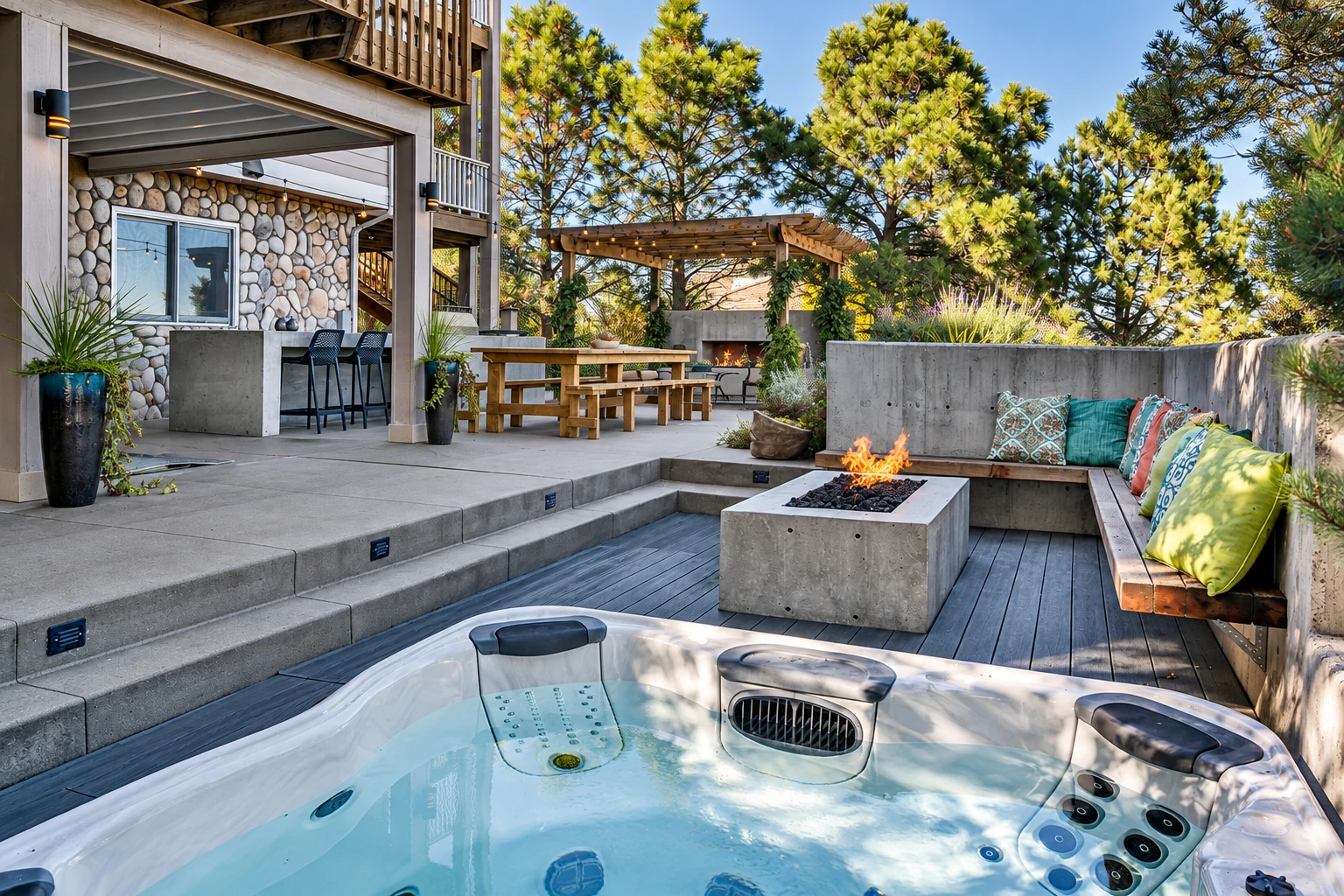
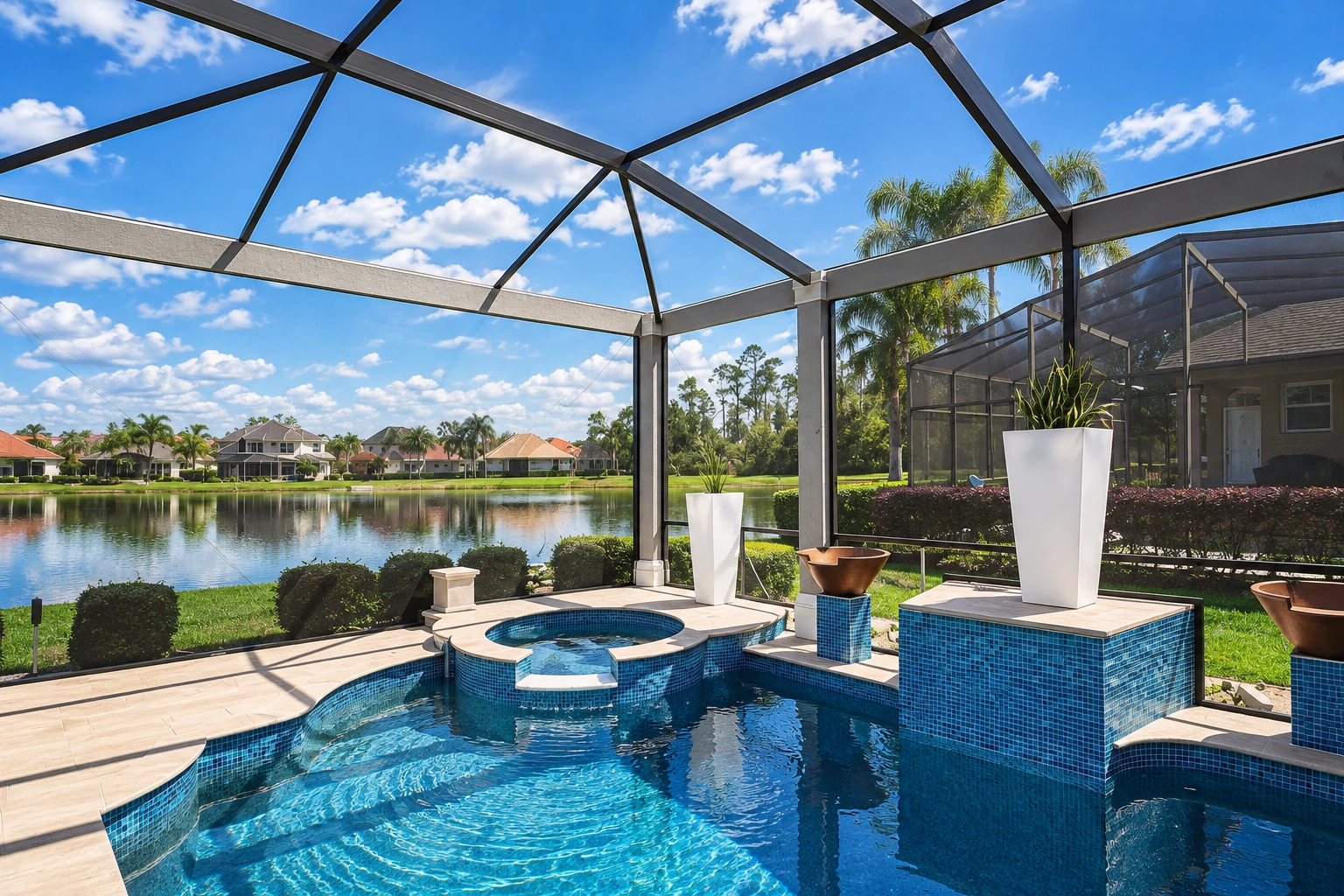
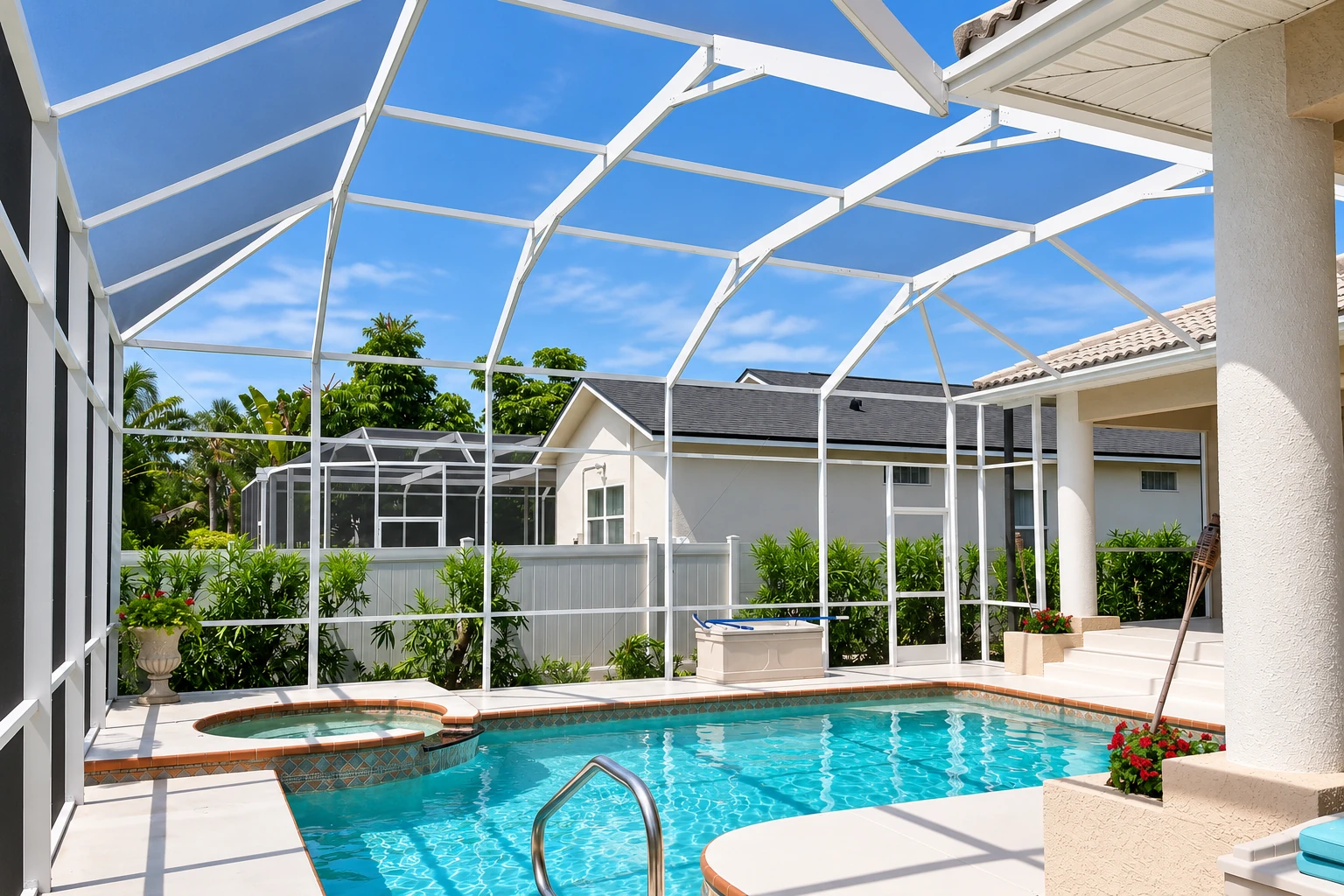
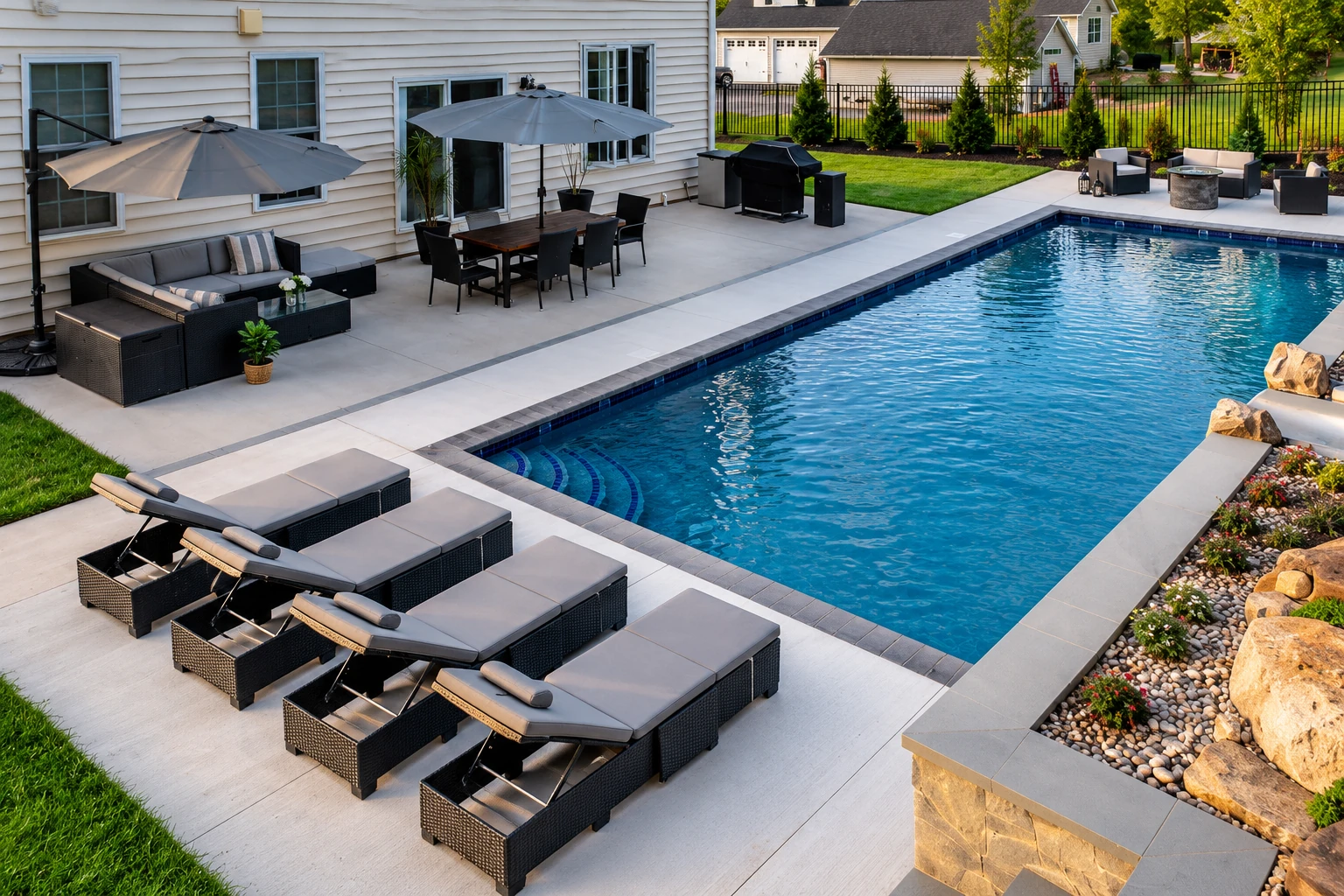
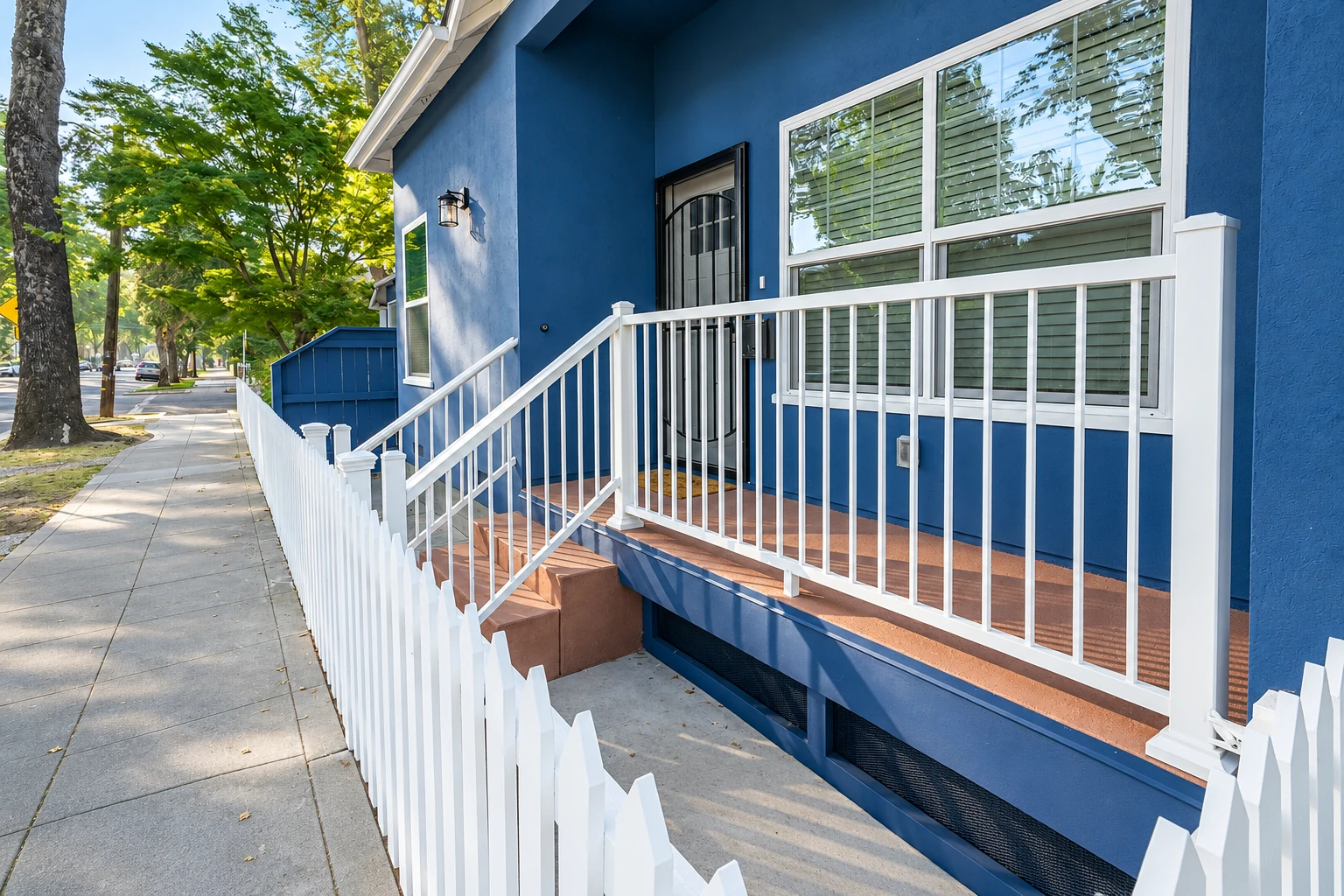
Santa Ana is a big, built-up city, and a lot of the concrete work here is replacing what's already in place: a driveway cracked through, a walk lifted at the joints, an apron worn down where cars turn in from the street. Driveways, walks and anywhere a private lot meets the street are what we're best known for, and we also pour patios, steps and concrete pool decks for backyards. We're based in Fullerton and do the same work in Garden Grove and Downey.
The price moves with how much old concrete comes out, how thick the new slab has to be for what parks on it, the finish you pick, and how much work goes into the subgrade, the dirt the slab sits on. The schedule turns on whether the city has to see the job first and on curing, the days new concrete needs to harden before it takes weight. Your written estimate gives you the figure for your job. On a replacement, we often learn the most once the old slab is out, because soft or washed-out dirt underneath is usually what cracked it, and that gets fixed before anything new goes down.
Permits and licenses in Santa Ana
Santa Ana's Building Safety Division issues the city's building permits, reviews plans and inspects the work done under them. The city takes permit applications from the owner or an authorized agent before work starts, and when your job needs one, we pull it ourselves and keep you posted on where it stands, so you're not the one chasing the counter. The city also requires every business working inside its limits to hold a current Santa Ana business license, so that's a fair question for anyone you're thinking of hiring. We're licensed and fully insured.
Why we put the base first
When a budget gets tight, the first thing people want to cut is the base, because nobody sees it once the slab is down. I'd rather cut the finish. A slab poured on dirt that was only raked level settles with that dirt and usually cracks like the one it replaced, so we dig out to firm ground and pack the base before any concrete goes in. We also cut control joints, shallow grooves that give concrete a straight place to crack instead of wherever it wants. A plain broom finish, the light texture that keeps a wet driveway from getting slick, holds up fine over a good base. A fancy finish over a weak base doesn't.
Where your driveway meets the street
A driveway here usually ends at the curb and gutter, and that's the part I poured day after day on a city public works crew. The apron takes the most weight from cars turning in, so it gets the same base work as the rest of the slab. We check where your water runs, so the new concrete falls away from the house and drains to the gutter instead of pooling. On hot days we pour early, because concrete that sets in midday heat can come out weak and dusty on top. You'll park on the street while the slab cures, and you'll walk on it well before you drive on it. Before we leave, we clean the street and the gutter.