Placentia sits right up against Fullerton, where we're based. Tri-City Park is in Placentia with Fullerton on two sides of it, so your house is a short drive for our crew and the concrete truck.
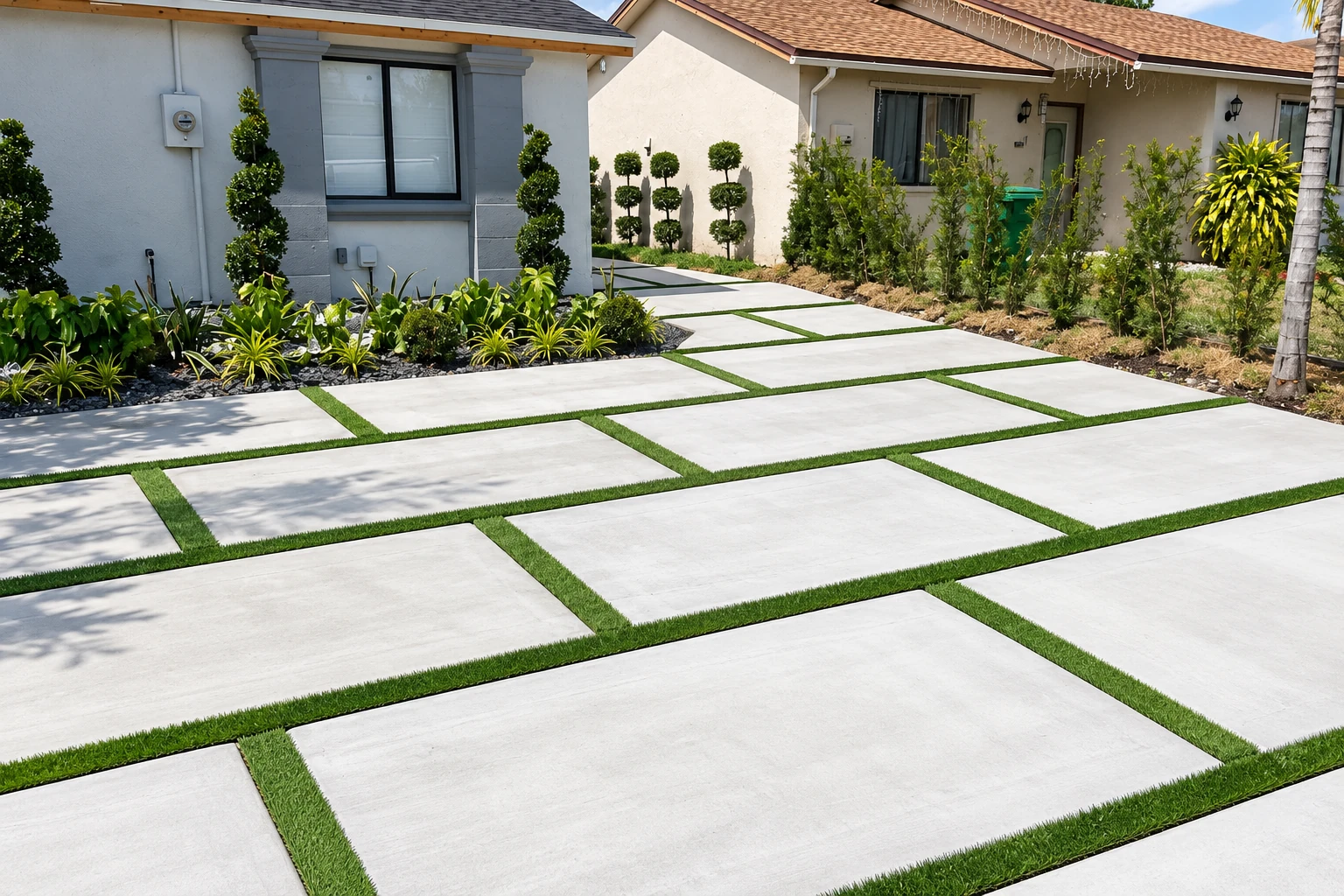
Most calls here are the everyday kind: a driveway that's cracked or sinking, a walk that's gone uneven, a patio where water pools by the back door. We get the same calls in La Habra and Brea. Placentia grew up on citrus ranches, and George Key Ranch still keeps an orange grove, but your yard is a house lot now, and I don't trust ground I haven't dug into. So we dig out the soft dirt and pack a firm base before the forms go up.
What moves the price and the schedule
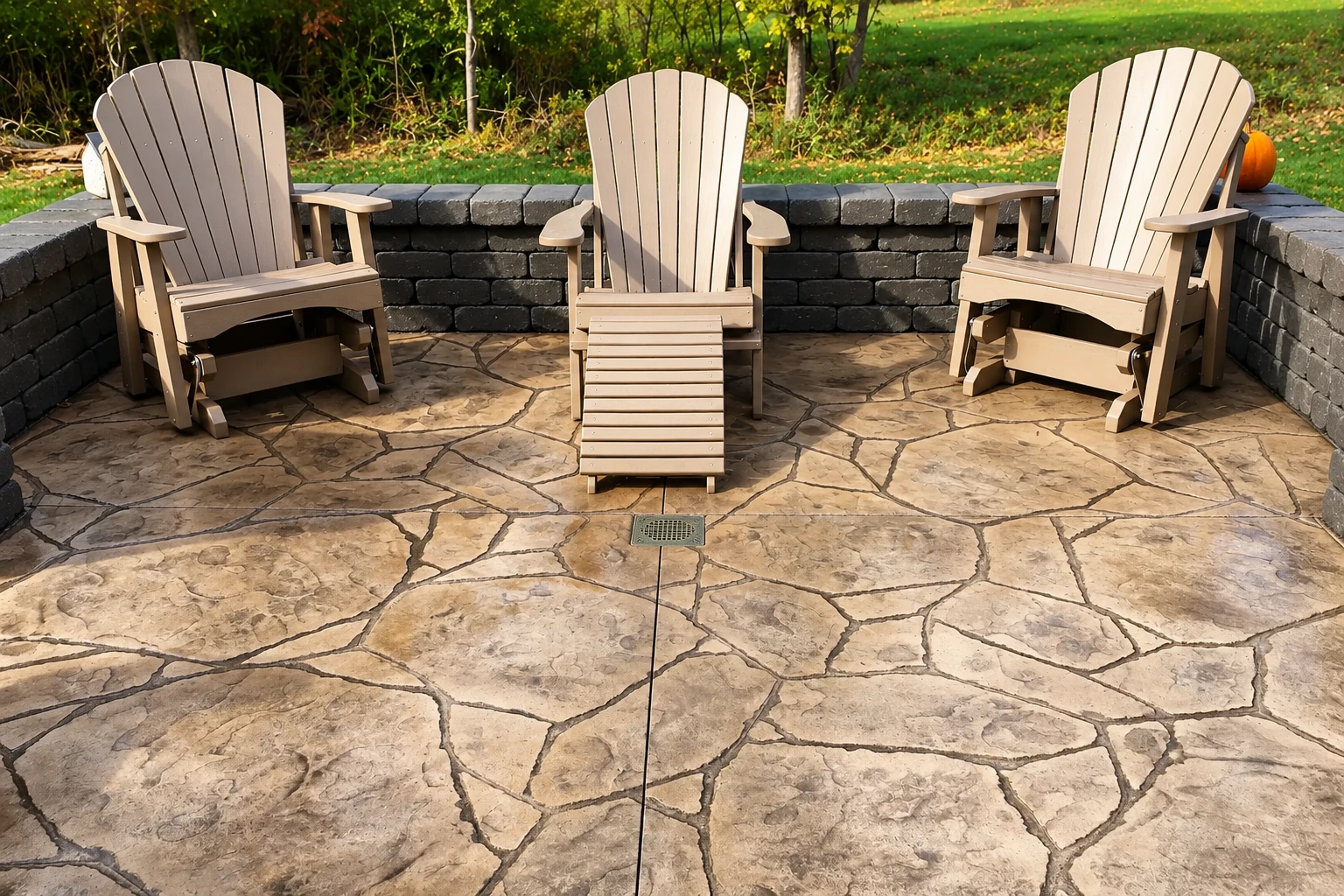
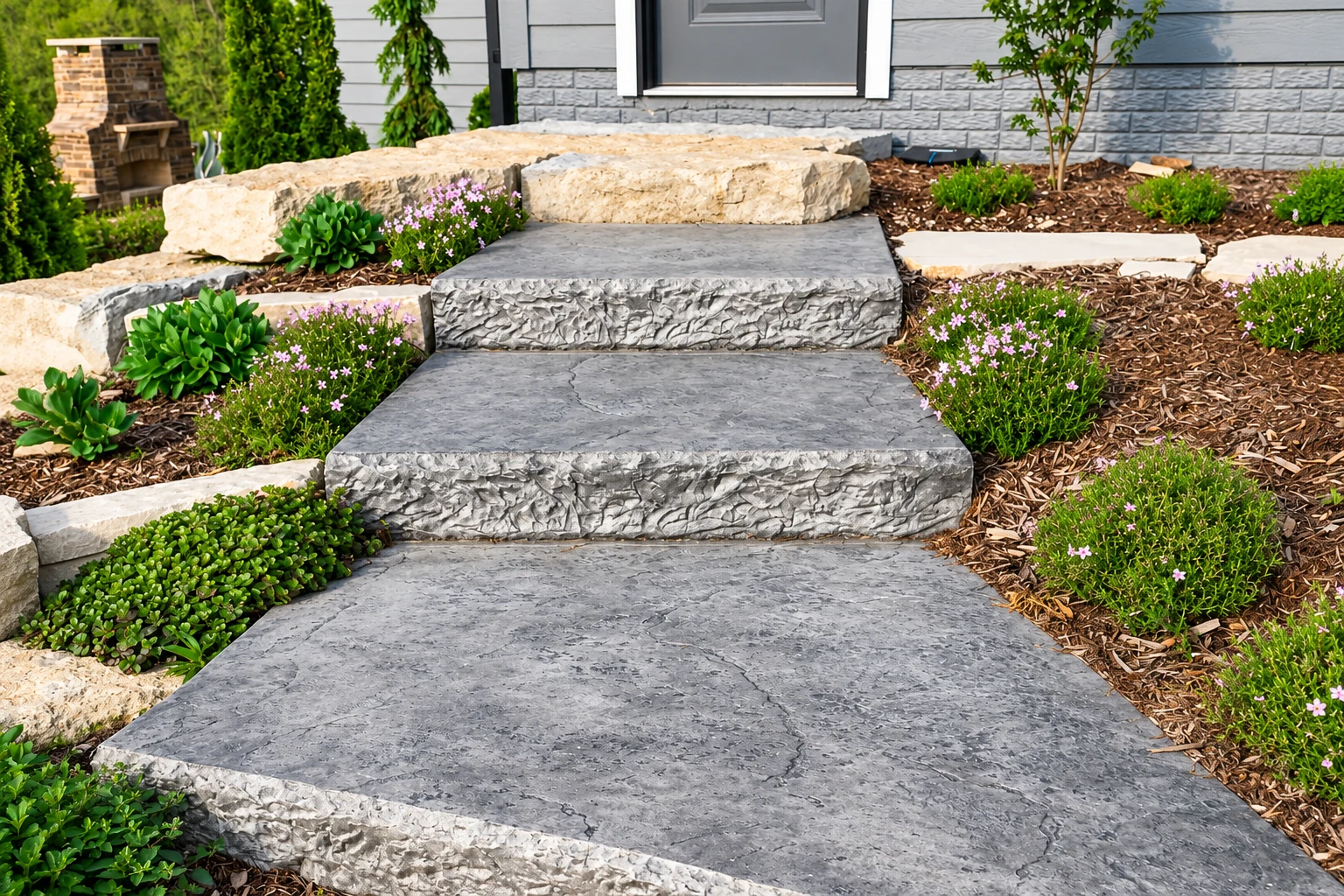
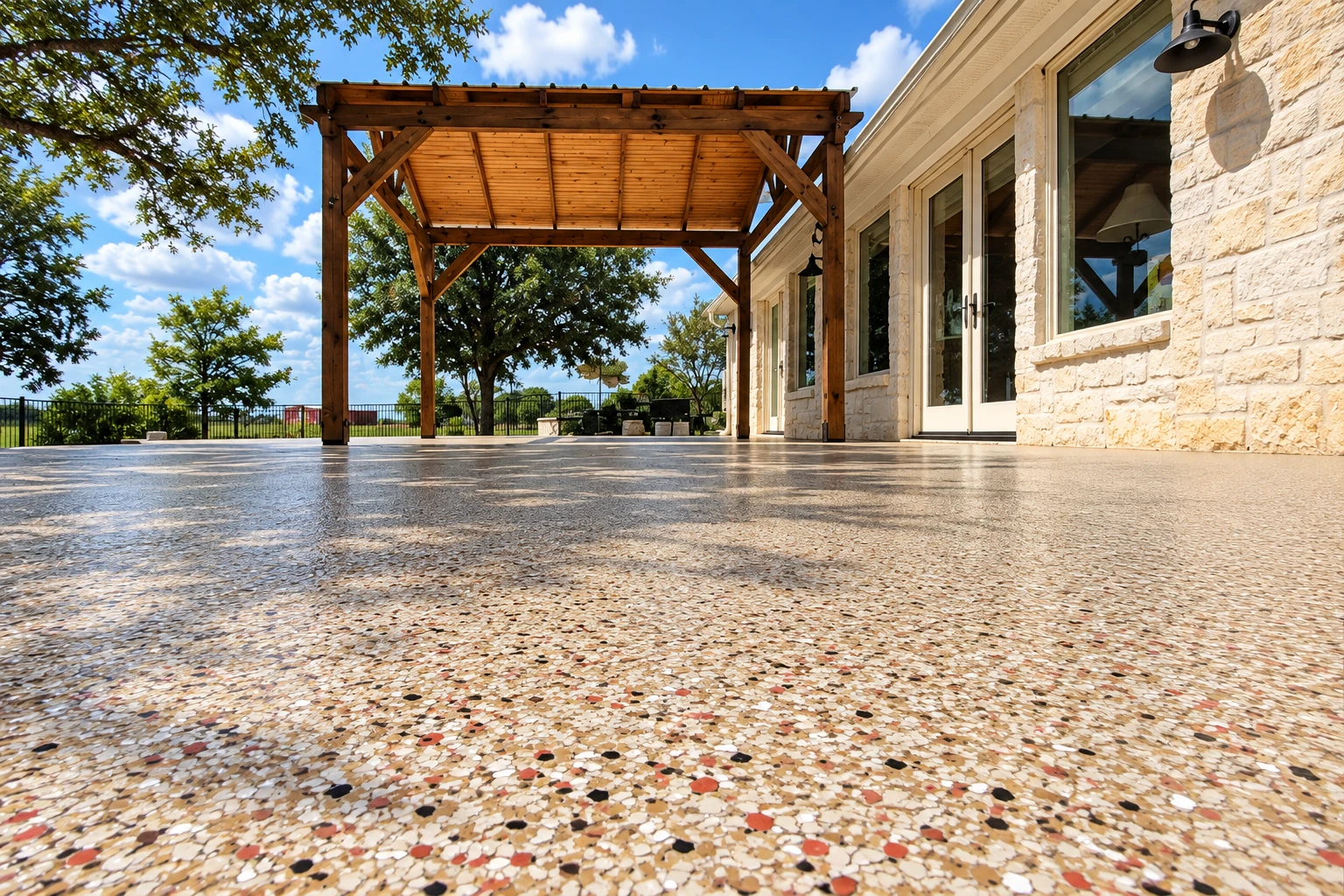
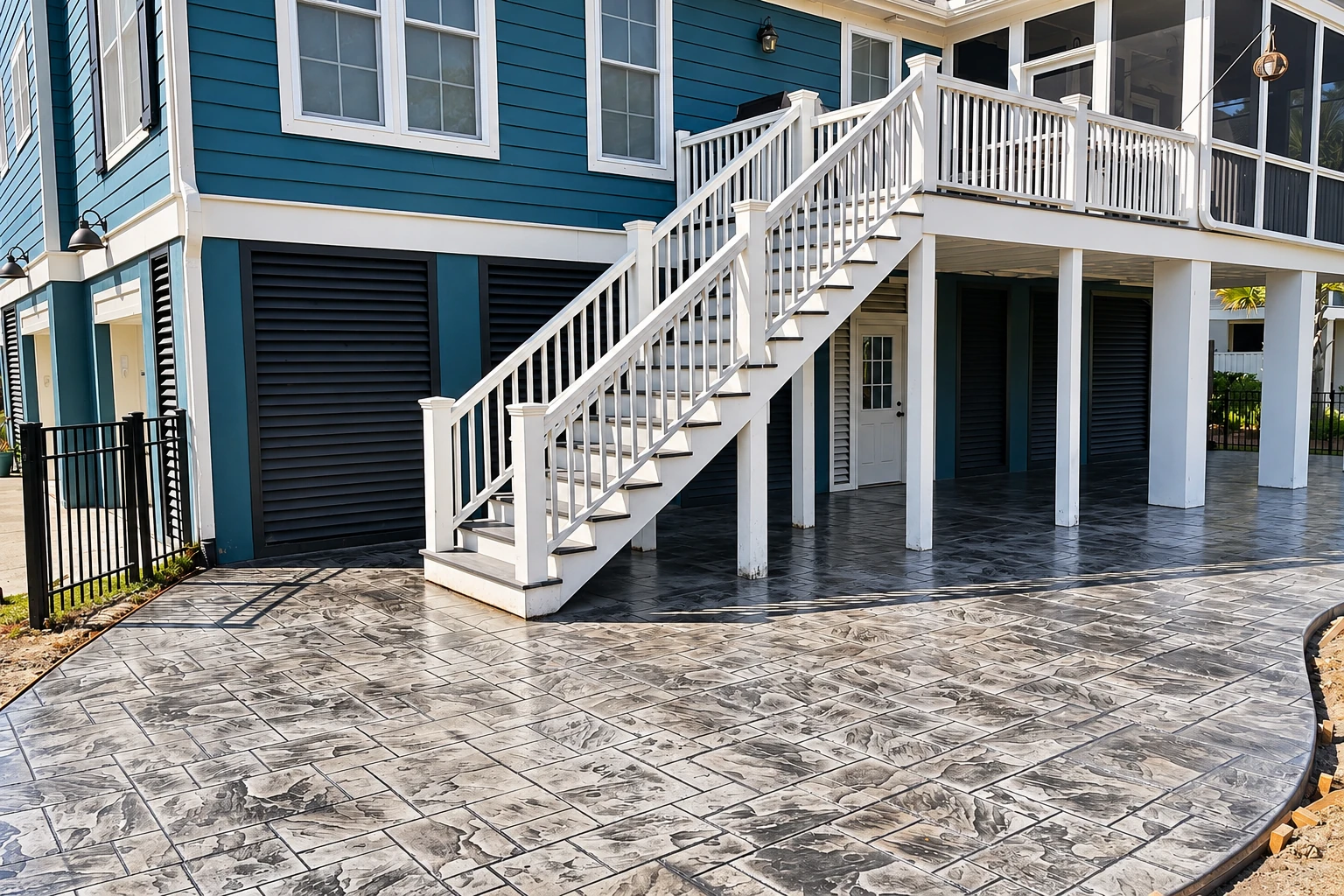
Price comes down to the size of the job, what has to come out first and how much work the ground needs. Breaking out an old cracked driveway and hauling it away costs more than pouring on open dirt. A broom finish, the light brushed texture that gives shoes and tires grip, costs less than stamped or colored concrete, and rebar, the steel set inside the slab to hold it together, adds a bit more. The schedule turns on the weather, on a permit if your job needs one, and on curing, the wait while the slab gains strength before you walk on it and longer before you drive on it. You get your price in writing at the estimate.
Base first, finish second
When a budget gets tight, the base is the first thing people want to cut, because nobody sees it once the concrete is down. I won't cut it. The subgrade, the ground the slab sits on, decides whether a new driveway settles and cracks like the old one, and a base that's just raked level settles right along with the dirt. We dig it out and pack it, check where the water runs so the slab falls away from your house, and pour early in the day so the top doesn't come out weak and dusty from the heat. Then we cut control joints, grooves that give the slab a straight place to crack instead of a random one.
Where your driveway meets the street
I learned concrete on a city public works crew, pouring sidewalk, curb and driveway aprons, the piece that ties your driveway into the street. That's still the work we're best known for. Where your lot meets the street, the concrete has to line up with the walk and the gutter so water keeps moving toward the street and not toward your garage. If the front walk is lifted or broken too, I can look at it on the same visit, and our sidewalk building page covers that work. Our own crew does the pour, I run it on site, and I want the street and the gutter as clean when we leave as they were when we got there.