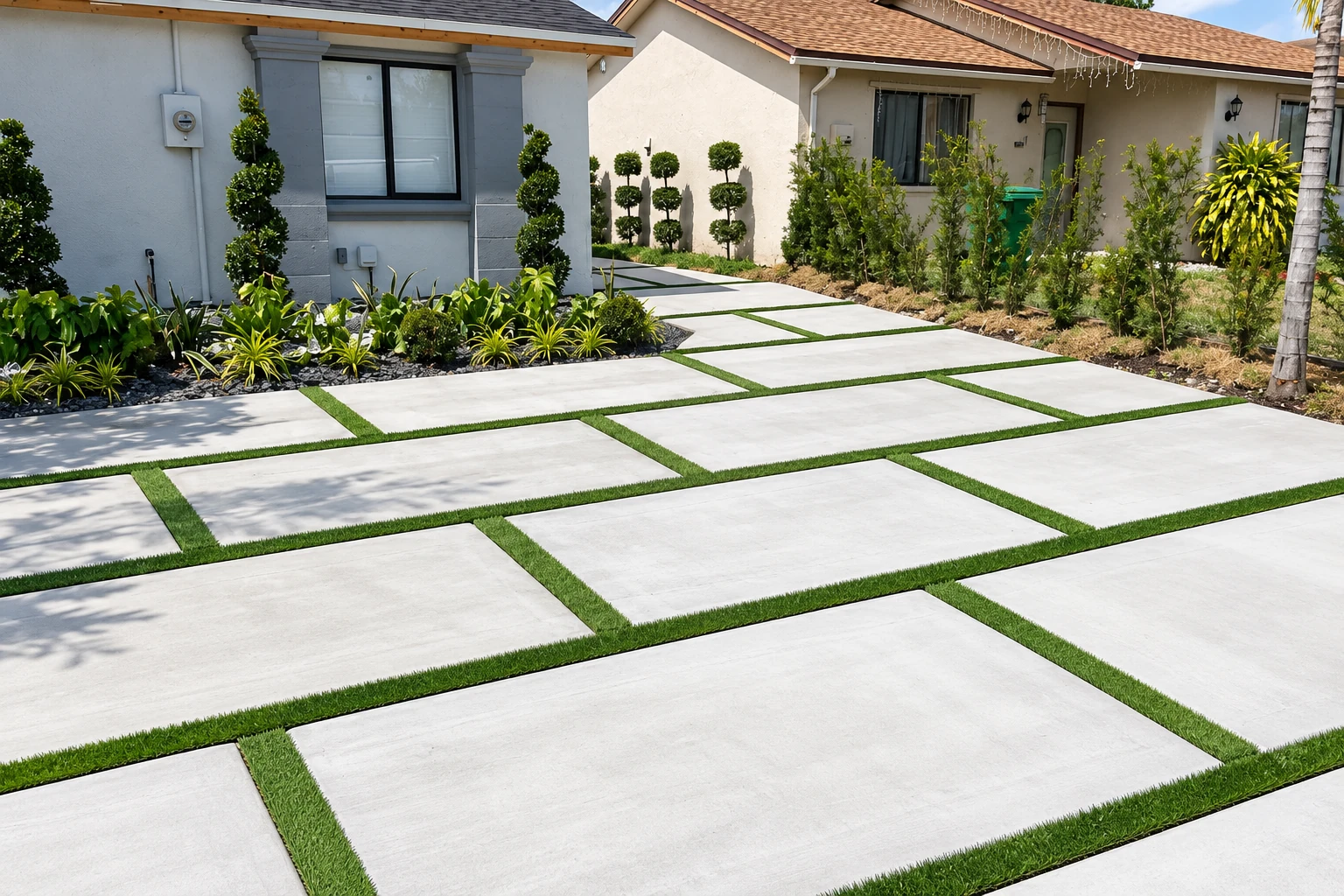
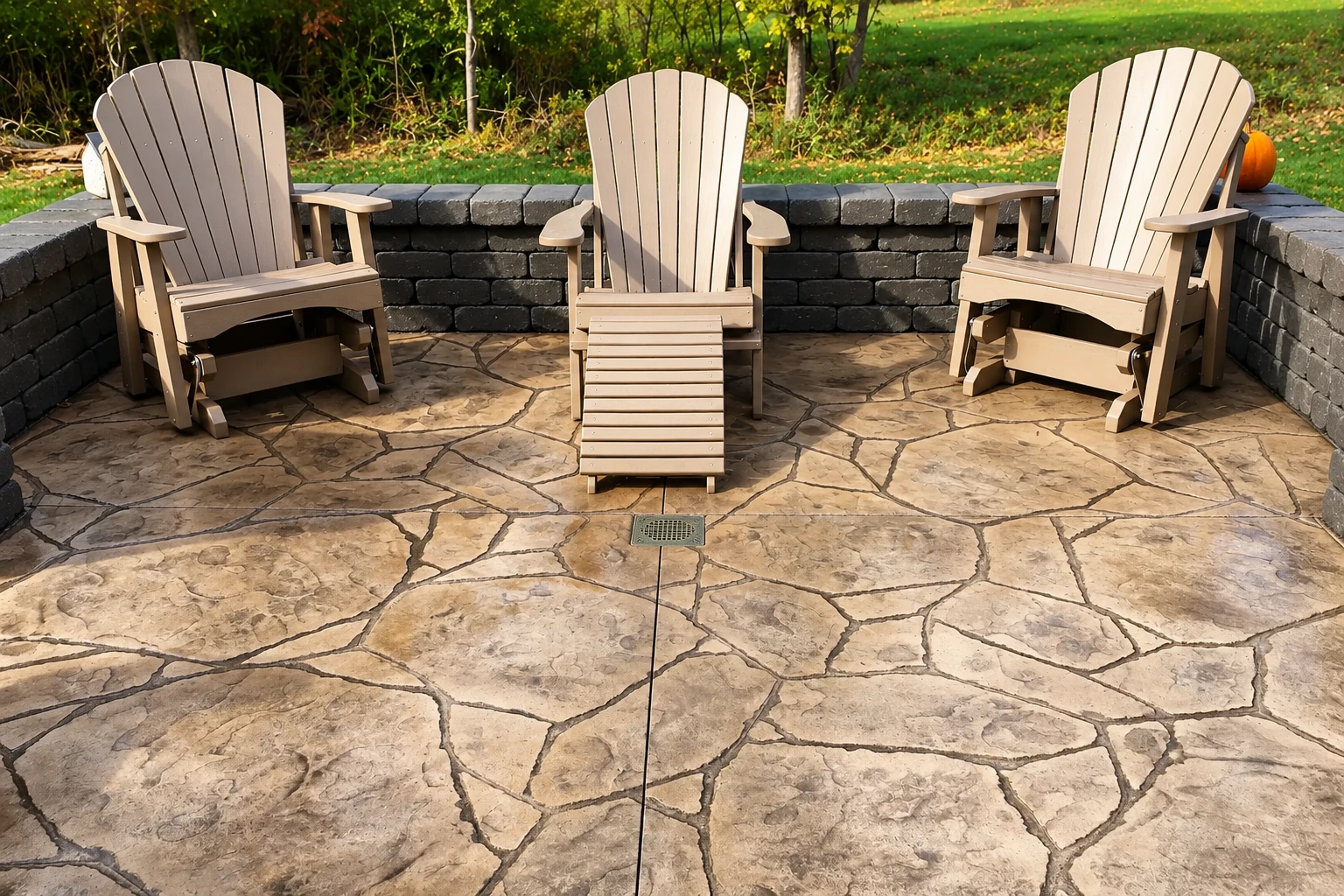
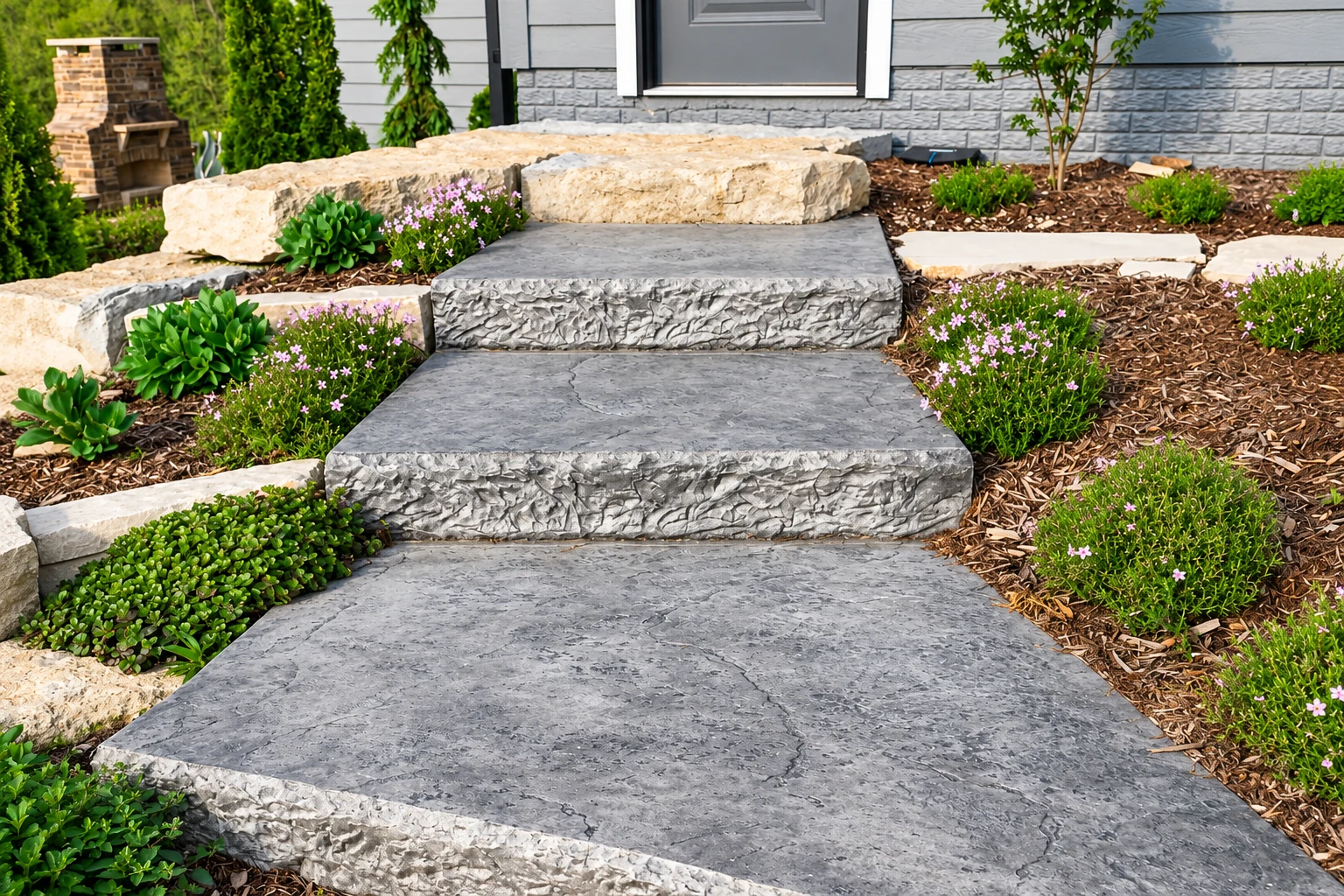
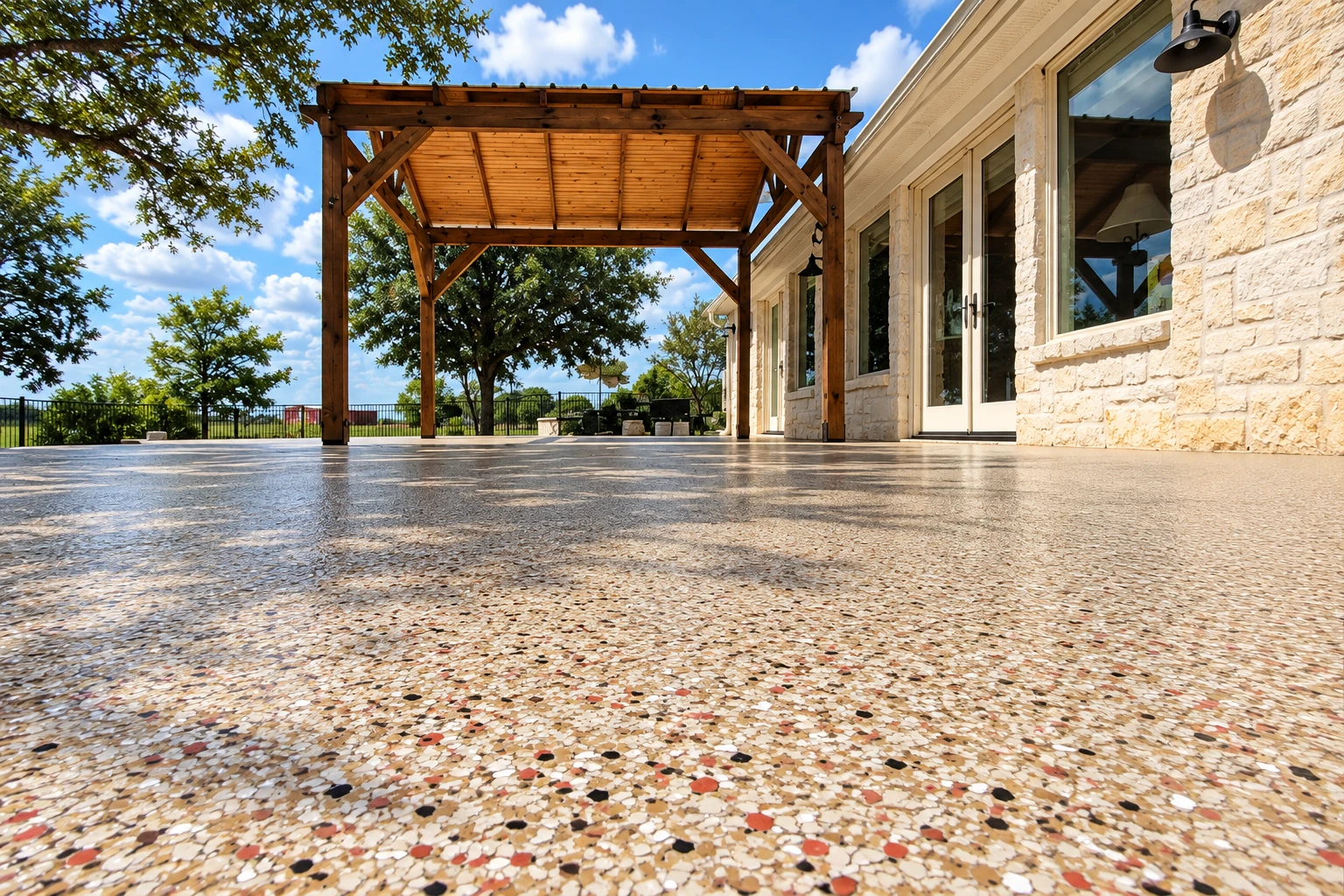
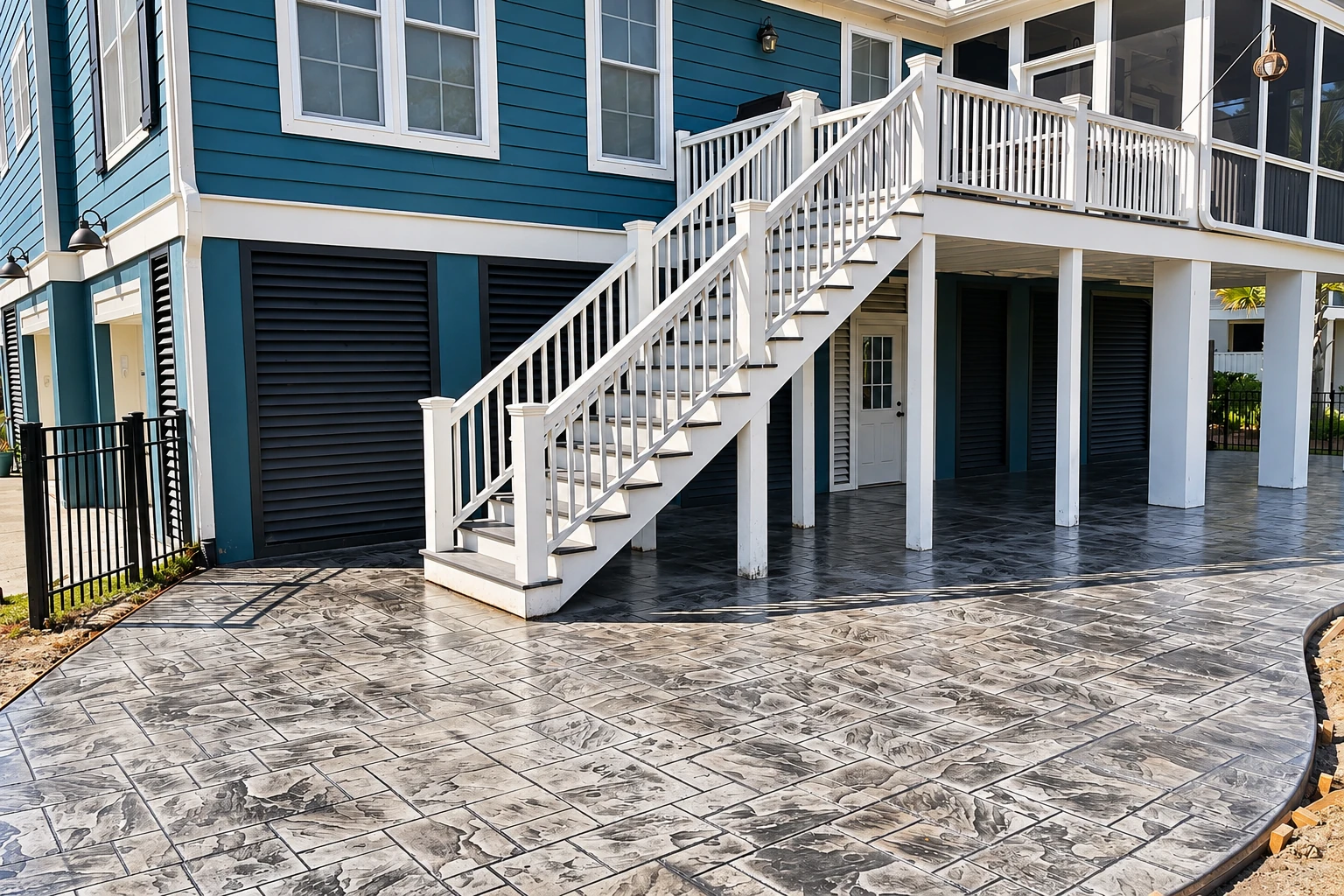
La Habra is a short drive from our base in Fullerton, and the calls here sound like the work I learned on a city crew, like a cracked or sinking driveway, a walk lifted enough to trip someone or an apron broken where it meets the gutter. We also pour patios, steps and garage floors, and we do the same work in Norwalk and Brea.
We work for homeowners and property owners here, and a lot of jobs start with old concrete coming out. When a slab has settled or cracked, the cause is usually under it, so the ground and the base shape the new job more than the surface does.
Checking with the city before we pour
The city's Building and Safety Division reviews plans, issues building permits and inspects the work it permits. Its permit guide is written mainly for businesses and names jobs like additions, demolition, new walls and plumbing, electrical and heating and cooling work, so it doesn't say outright whether your driveway or patio needs one. For work on the outside of a property, the city sends you to the Planning Division to confirm the job fits the Zoning Code. When a job needs a permit, we pull it ourselves and keep you posted. If we're not sure what the city wants, I ask the office before I give you a price.
What moves your price and your schedule
Price comes down to size, how much old concrete we break out and haul away, how much base the ground needs and how easily a truck and crew can reach the spot. A plain broom finish leaves a light brushed texture that gives shoes and tires grip, and it costs less than stamped or colored work. The schedule turns on whether the city needs a permit, how long the slab needs to cure and harden before you use it, and when our crew is free. I come out myself, look at the job and write the estimate, so you get your own figure in writing. We're licensed and fully insured.
Where your driveway meets the street
I learned this trade pouring sidewalk, curb and driveway aprons for a city public works crew, and that's still the work we're best known for. The apron is the short slope from your driveway down to the gutter, and it's where old concrete often breaks first because it takes the hardest hits from tires. We set forms so water runs to the street and not back toward your garage. On pour day we start early, because concrete placed in midday heat can end up with a weak, dusty top. We keep the truck off your lawn where we can and leave the street and gutter as clean as we found them.