
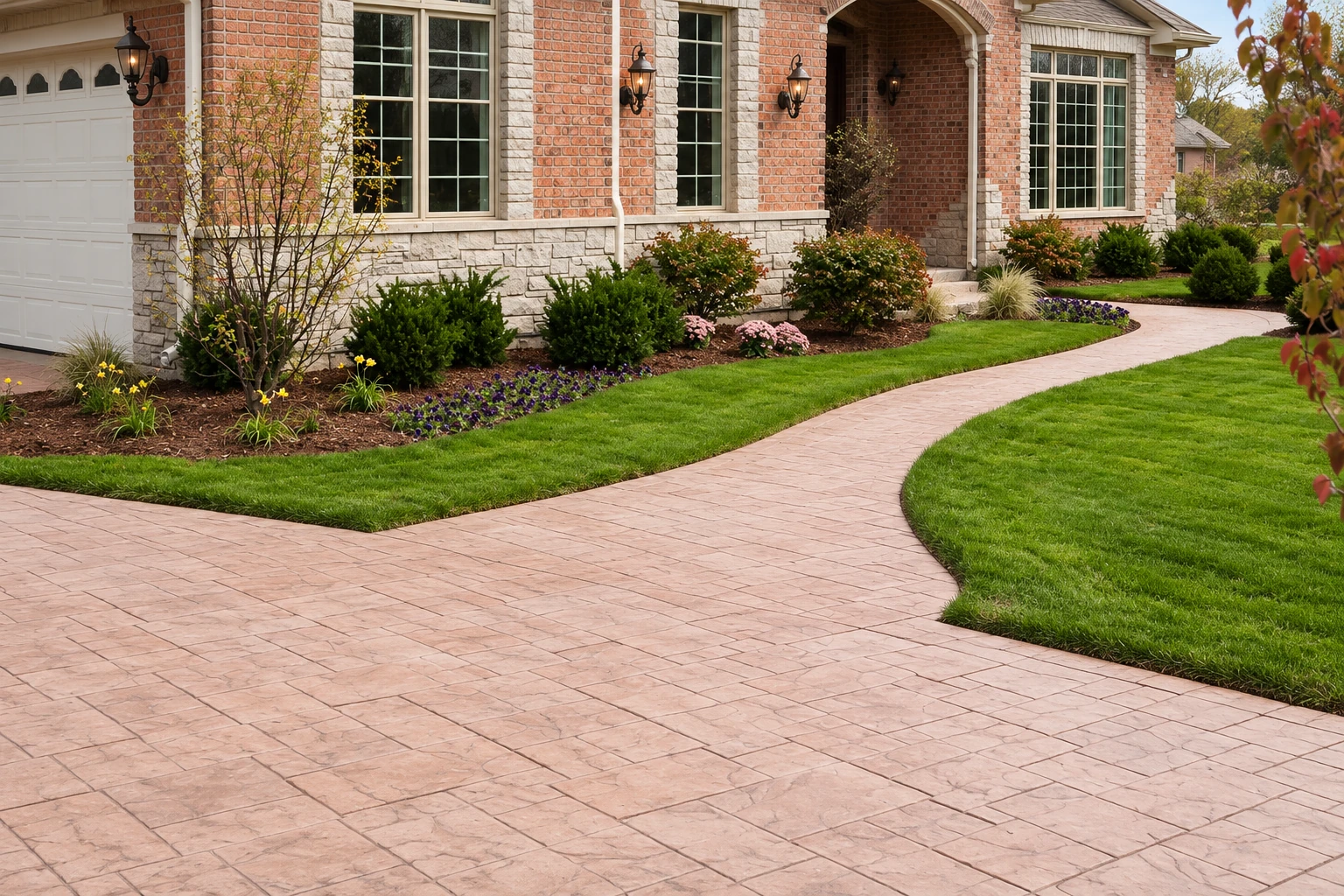

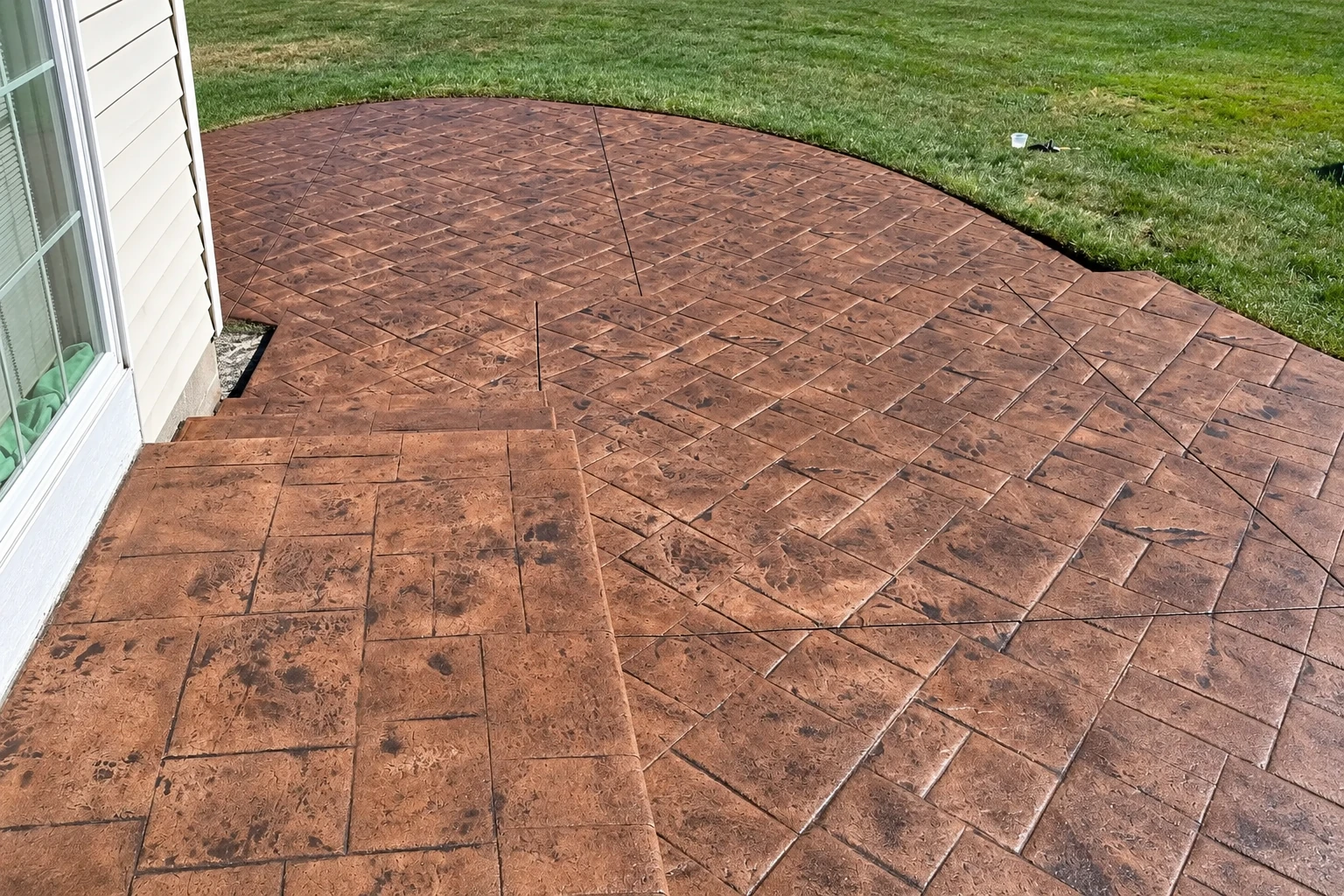
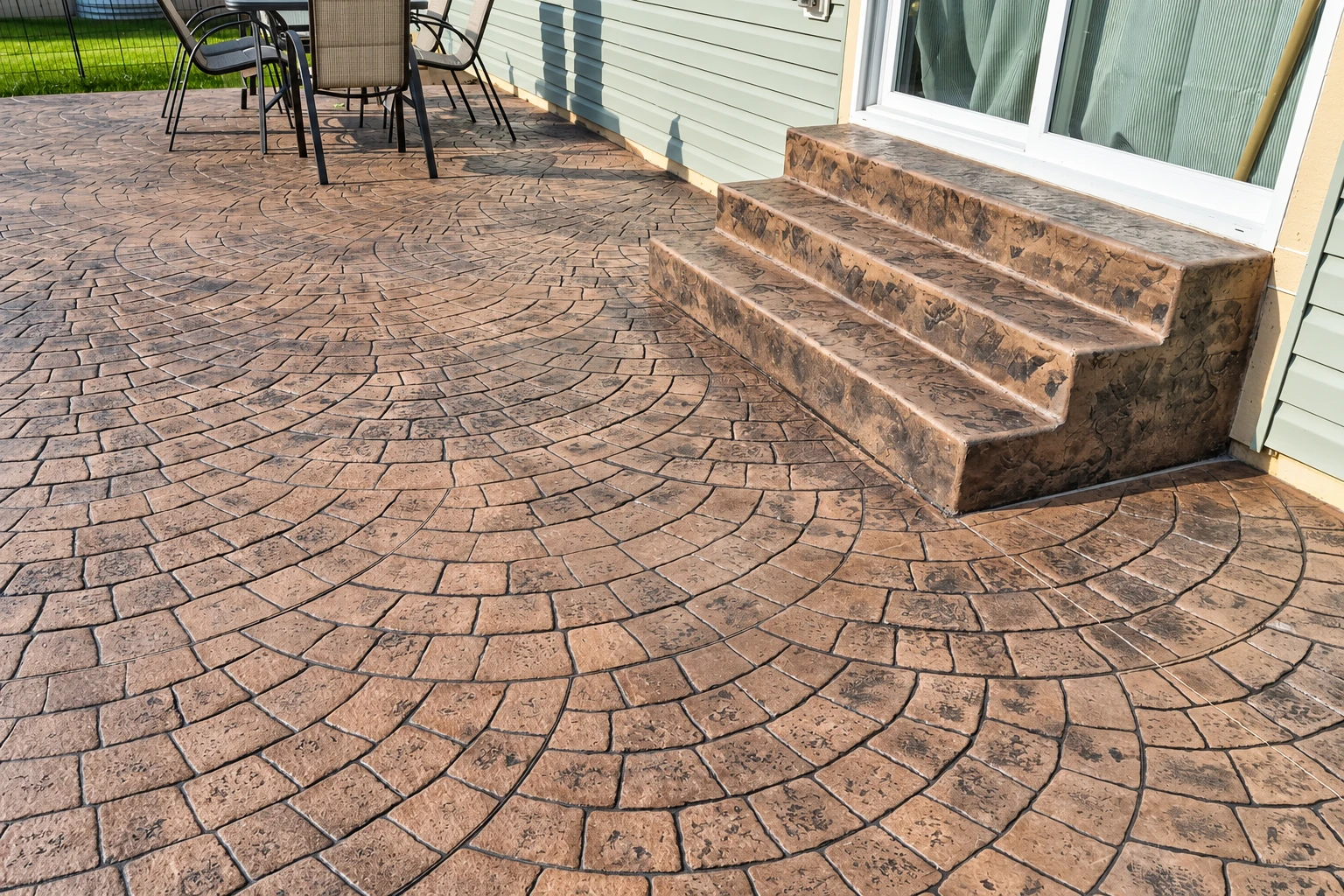
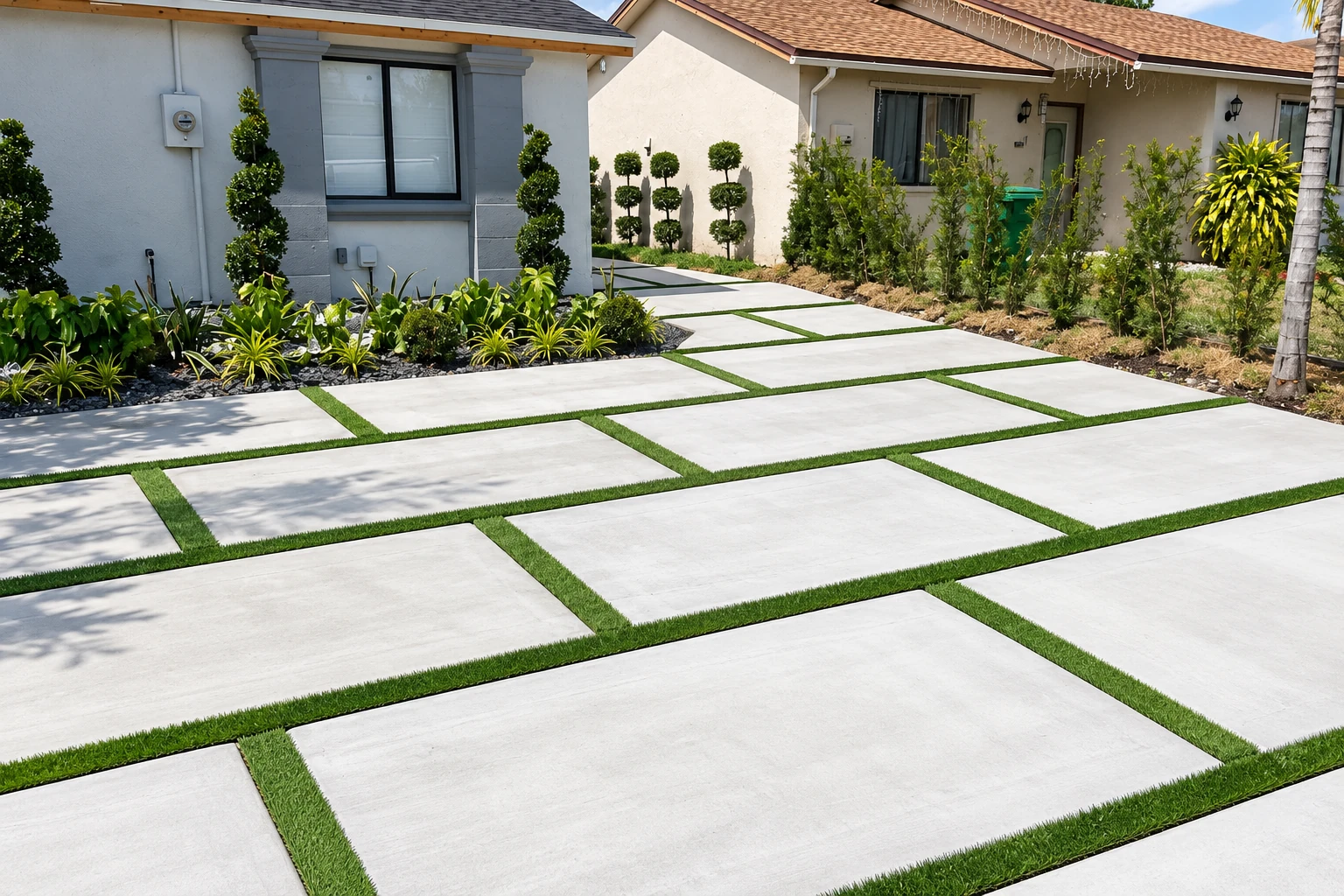
Buena Park is next door to Fullerton, where we're based, and the work here looks a lot like the work at home: single-family streets, driveways that run down to the sidewalk and curb, patios and walks out back, and plenty of older driveways that are ready to come out. We work the same way here as we do in Placentia and Cypress, with the same crew and the same attention to what's under the slab.
The ground comes first. The city publishes a map of liquefaction zones, areas where the ground can lose strength in an earthquake, and that matters most for footings, foundations and retaining walls, so for that kind of job it's worth seeing where your lot falls before we plan it.
Where the driveway meets the street
That edge is the part I know best, because I learned concrete on a city public works crew pouring sidewalk, curb and driveway aprons, the strip that ties your driveway to the street. When an old driveway has sunk or holds water, the cause is usually the subgrade, the ground the slab sits on, raked flat instead of dug out and packed. We fix that first, set the forms so water runs to the gutter and not toward your garage, and cut control joints, shallow grooves that give the concrete a planned place to crack. I want the street and gutter as clean when we leave as they were when we got there.
What sets the price and the schedule
Price turns on the size of the slab, whether old concrete has to be broken out and hauled off, how much digging and packing the base needs, and the finish. A broom finish, a light brushed texture for grip, costs less than stamped concrete. If the budget's tight, I'd cut the finish before the base, because the base is hidden on day one but decides whether the slab sinks and cracks. Your schedule turns on the permit, if there is one, and on curing, the wait while the concrete gains strength before you walk on it, and longer before you park on it. I come out myself and put the estimate in writing.
Permits, inspections and who pulls them
When a job needs a city permit, we pull it ourselves and keep you posted on where it stands. Buena Park asks a contractor with employees to show proof of workers' compensation insurance when the permit is issued, and we're licensed and fully insured, with our own crew doing the work. Once there's a permit, the city wants the work left uncovered until it's inspected and approved, so we plan the pour around that visit. A permit also lapses if work doesn't start within 180 days or stops for 180 days, which is one more reason we keep a job moving once it's underway.