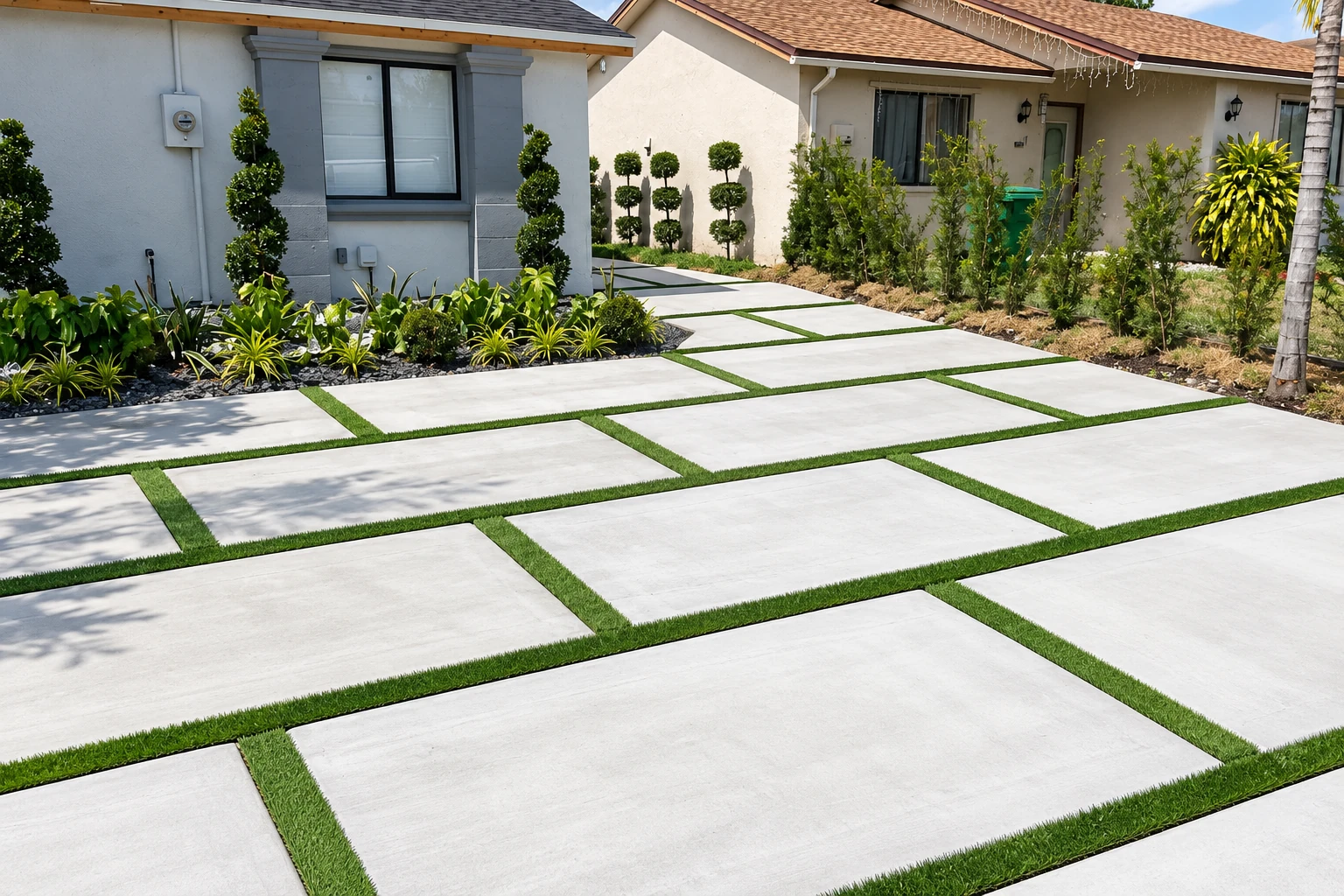
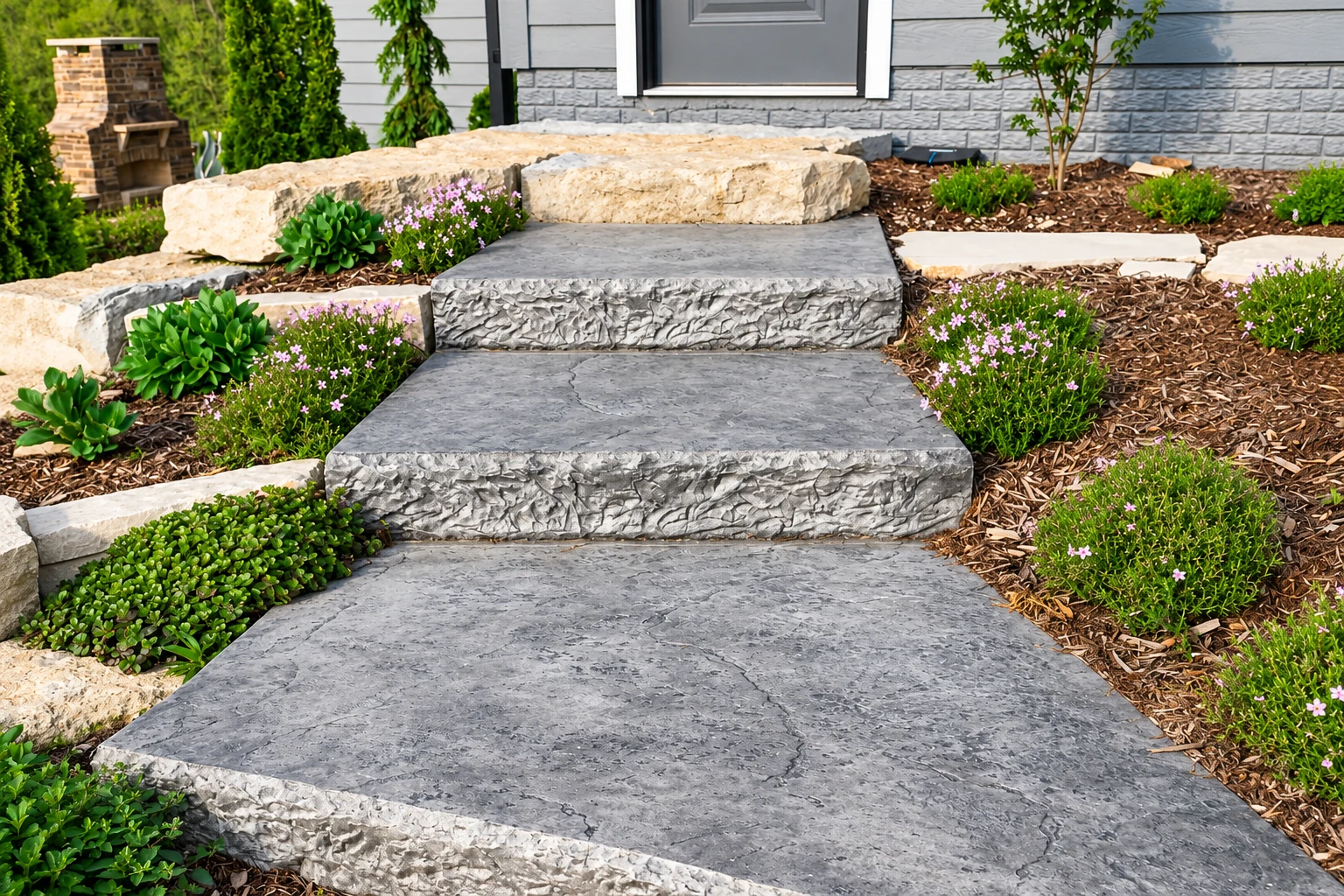
Most of the Norwalk calls we get are about the concrete you use every day: the driveway, the walk to the front door, the patio out back and the apron where the driveway meets the street. I learned that kind of flatwork, the flat slabs people walk and park on, pouring sidewalk, curb and aprons on a city public works crew. We're a concrete contractor based in Fullerton, CA, and we do the same work in Orange and Downey.
A lot of the concrete we look at in Norwalk has been down a long time, and the problems are usually cracks, sunken sections and spots where water pools. Most of that traces back to what's under the slab, so on these lots the job usually starts with digging out and rebuilding the ground before anything gets poured.
What moves the price and the schedule
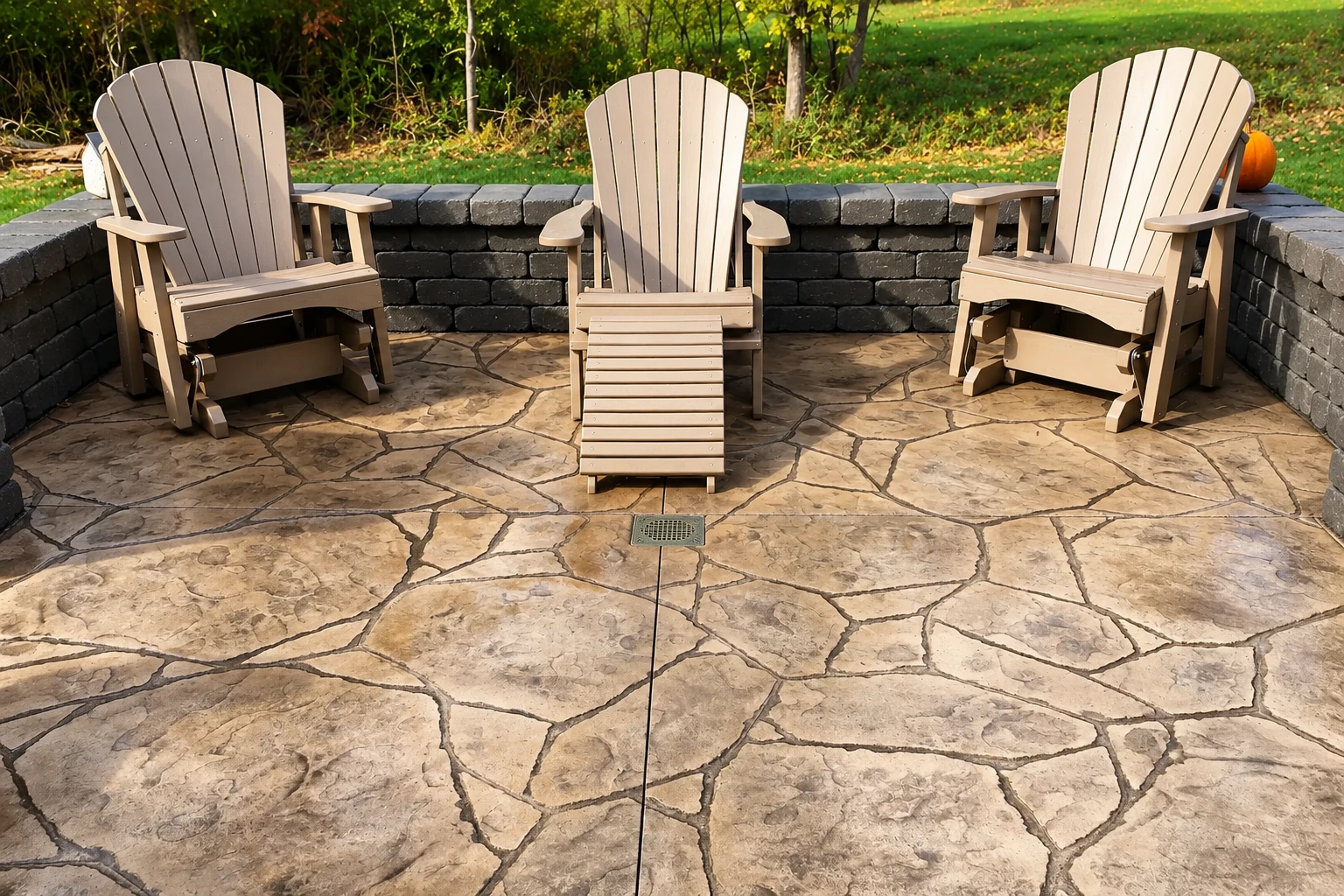
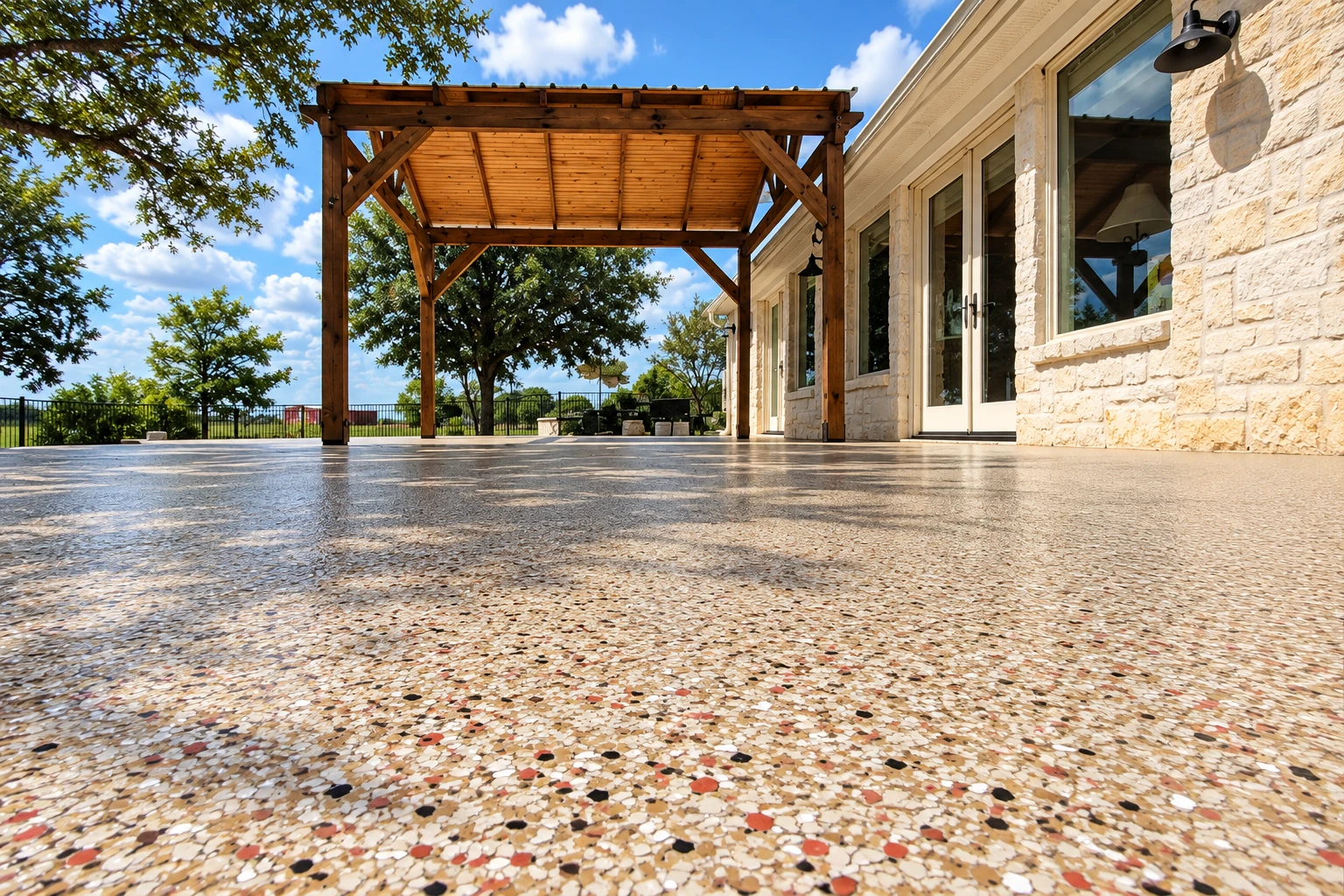
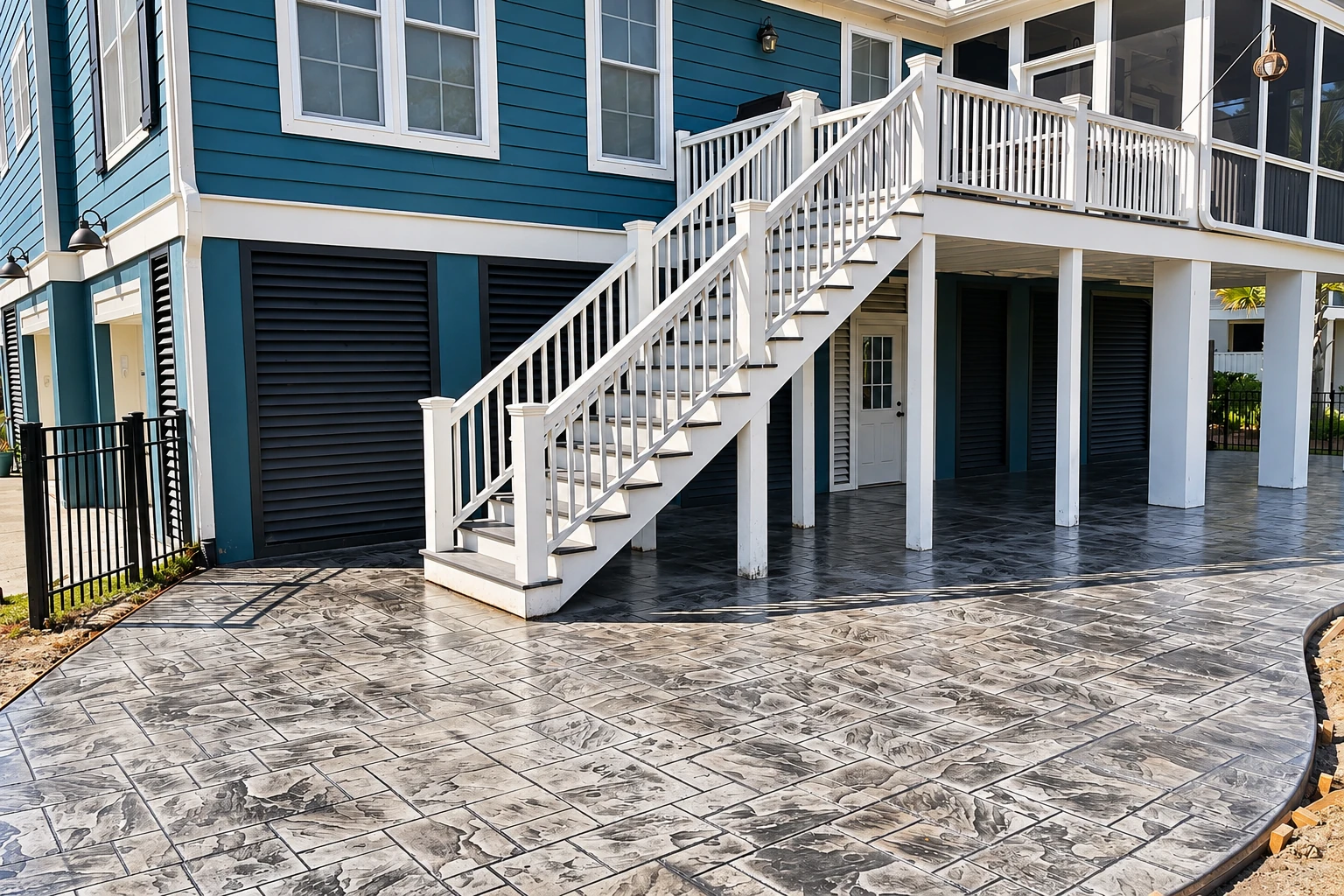
The price mostly comes down to size, how much old concrete we break out and haul away, and how much base work the ground needs once it's open. Access matters too, since a narrow side yard means more hand work than a wide-open driveway. The finish comes last. A plain broom finish, the light texture that gives shoes and tires some grip, costs less than stamped or colored work, which we cover under decorative concrete. The schedule turns on demolition, any permit the job needs, and curing, the wait while the concrete gains strength before you walk or drive on it. Your written estimate spells out the work for your job.
Why we won't cut corners on the base
If the budget gets tight, the base is the last place I'd cut, even though nobody sees it once the pour is done. The subgrade, the ground the slab sits on, has to be dug out and packed solid, because a slab on loose dirt settles right along with it and cracks. We set rebar, steel that holds the slab together if it does crack, and cut control joints, grooves that give a crack a straight line to follow instead of wandering across your driveway. I'd rather you trim the finish than the base, because a surface can be dressed up later but the ground under it can't be fixed without tearing it all out.
Where the driveway meets the street
Aprons and sidewalks are the work I learned on a city crew, and they're where a lot of driveway jobs go wrong. The new slab has to tie cleanly into the street and gutter and fall away from your house, so we check where the water runs before we set a single form. When a job needs a city permit, we pull it ourselves and keep you posted on where it stands, and if we're not sure what the city wants, we ask the office before we give you a price. When we leave, the street and the gutter should be as clean as they were when we got there.