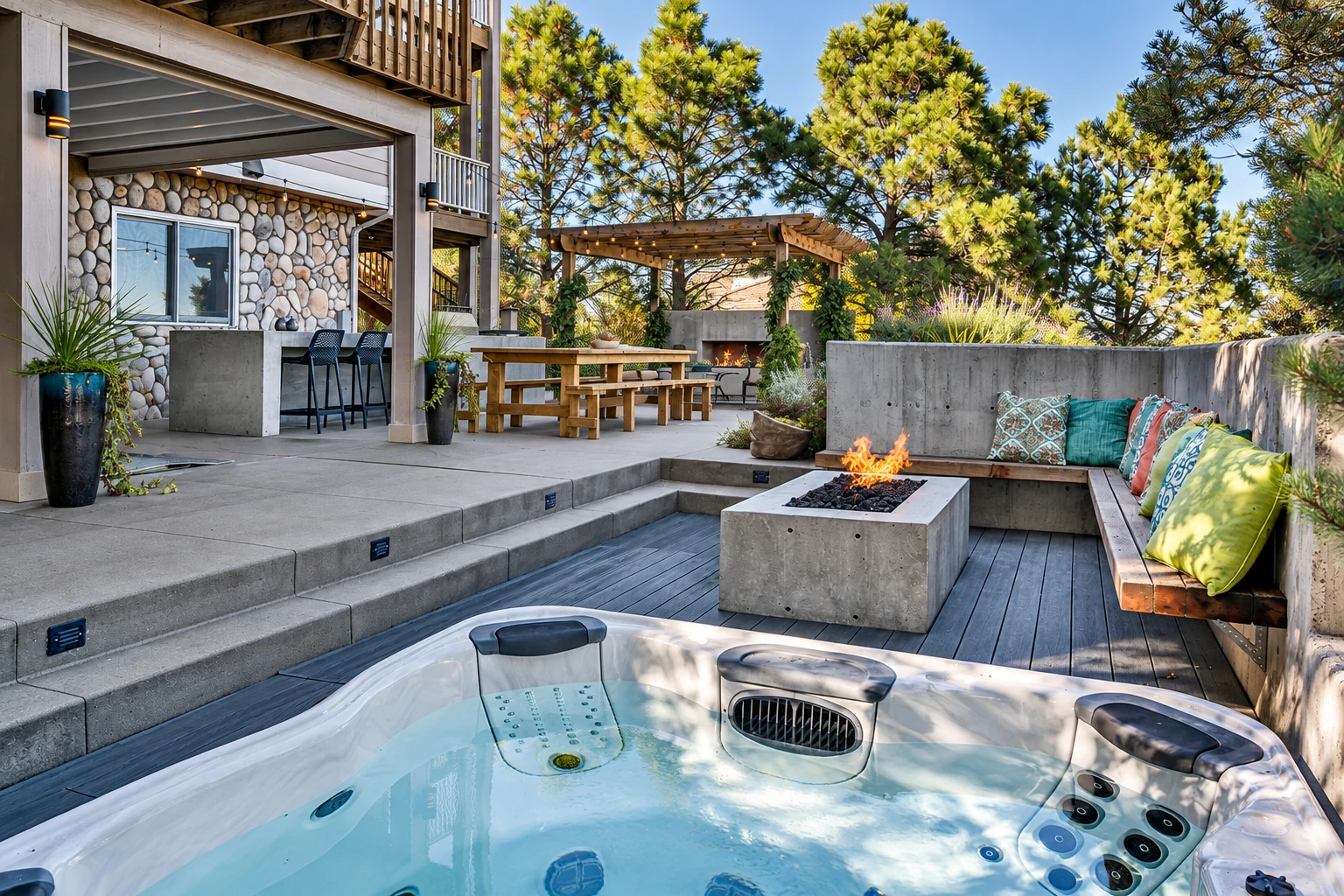

Orange runs from Old Towne, with the Plaza, its early homes and Chapman University close by, out to newer neighborhoods farther from downtown. We come over from Fullerton for driveways, walks, patios and steps here, the same flatwork we pour in Santa Ana and Garden Grove, and the houses here give us plenty of both old slabs to replace and new ones to lay out.
Most calls start with a driveway that's cracked, sunk at one corner or holding water. On older lots we often find a thin slab poured on raked dirt, so the real job is rebuilding the ground before we pour.
What moves the price and the schedule
Size and access move the price most, along with whether we're breaking out an old slab and hauling it away. How deep we dig for a solid base counts too, and so does rebar, the steel set inside the slab to hold it together. A plain broom finish, the light brushed texture that keeps feet and tires from slipping, costs less than stamped or decorative work. On the schedule, most of the wait is curing, the time the concrete needs to gain strength before it takes weight, and you'll walk on it well before you park on it. A city permit, when the job needs one, can add time too. I come out, measure, and give you your figure in writing.
Why we spend on the base first
The subgrade, the dirt and rock the slab sits on, decides whether a driveway stays flat. A lot of the sinking and cracking we see comes from ground that was raked level and poured on, so the slab settled right along with the dirt. We dig out the soft material, bring in base and pack it down before the forms go up. Nobody sees that part on day one, and it's the first thing people want to cut when the budget gets tight. I'd cut the fancy finish before I'd cut the base, because you can redo a surface later, but you can't fix the ground under a slab without tearing it out.
Water, slopes and the street edge
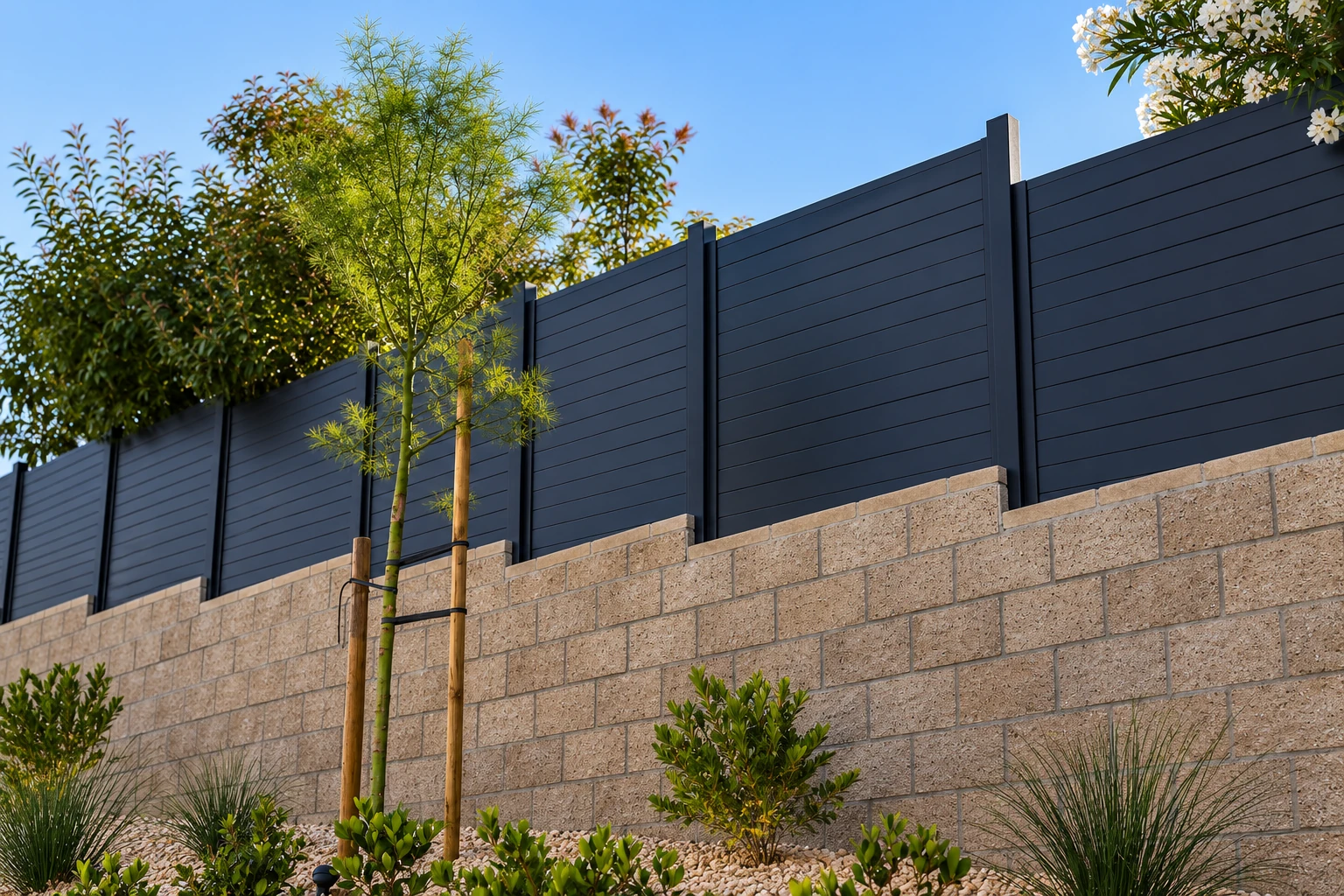
Before we set forms, we check where the water runs, because a slab that falls toward your house sends every rain at the foundation or into the garage. If your yard drops off, a patio or driveway may need a concrete retaining wall to hold the ground so it doesn't wash out from under the edge. Most driveways also meet the curb and gutter at the street. I learned concrete on a city public works crew pouring sidewalk, curb and driveway aprons day after day, so that tie-in is work I know well. We match the street cleanly and leave the gutter as clean as we found it.