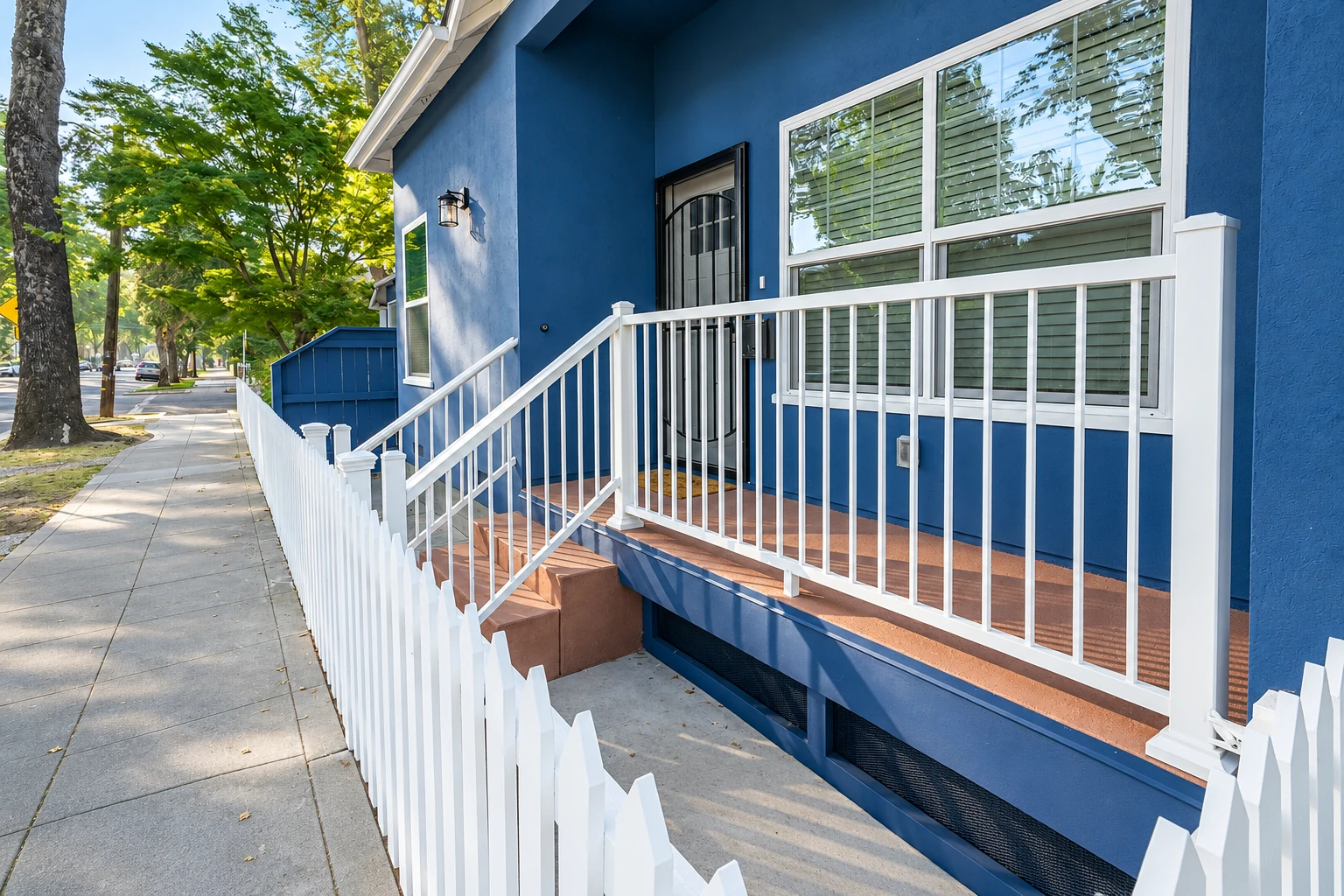
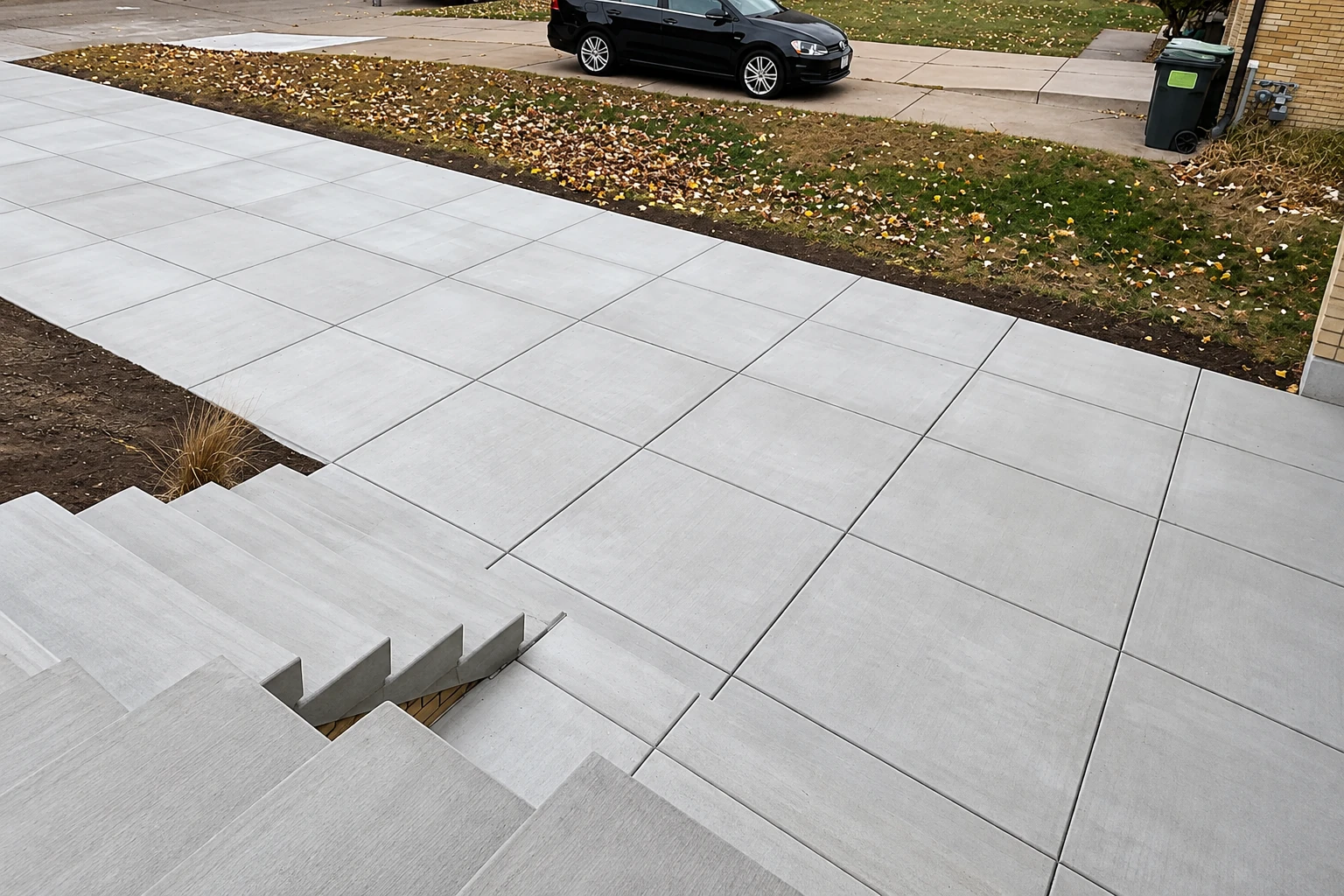
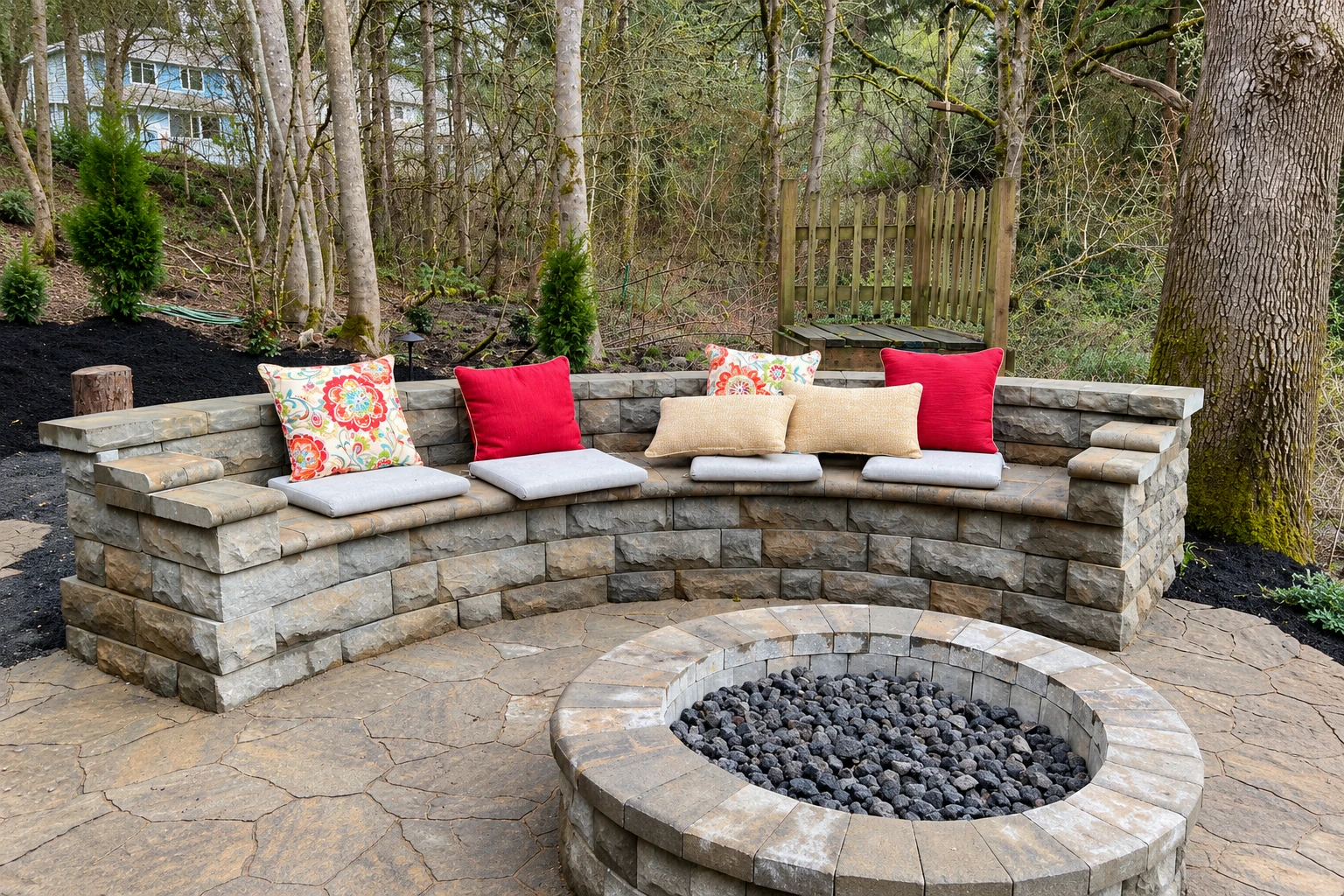
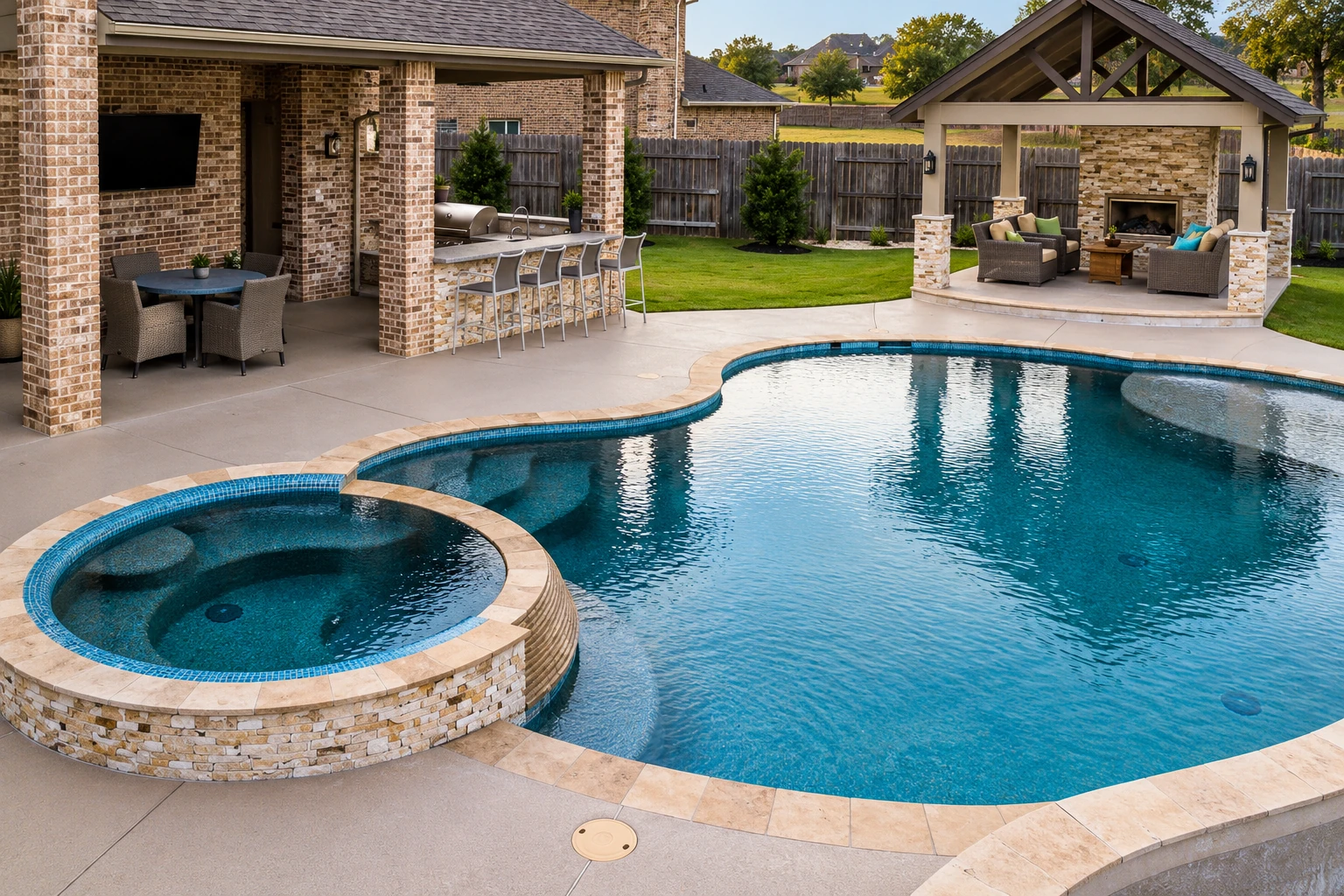
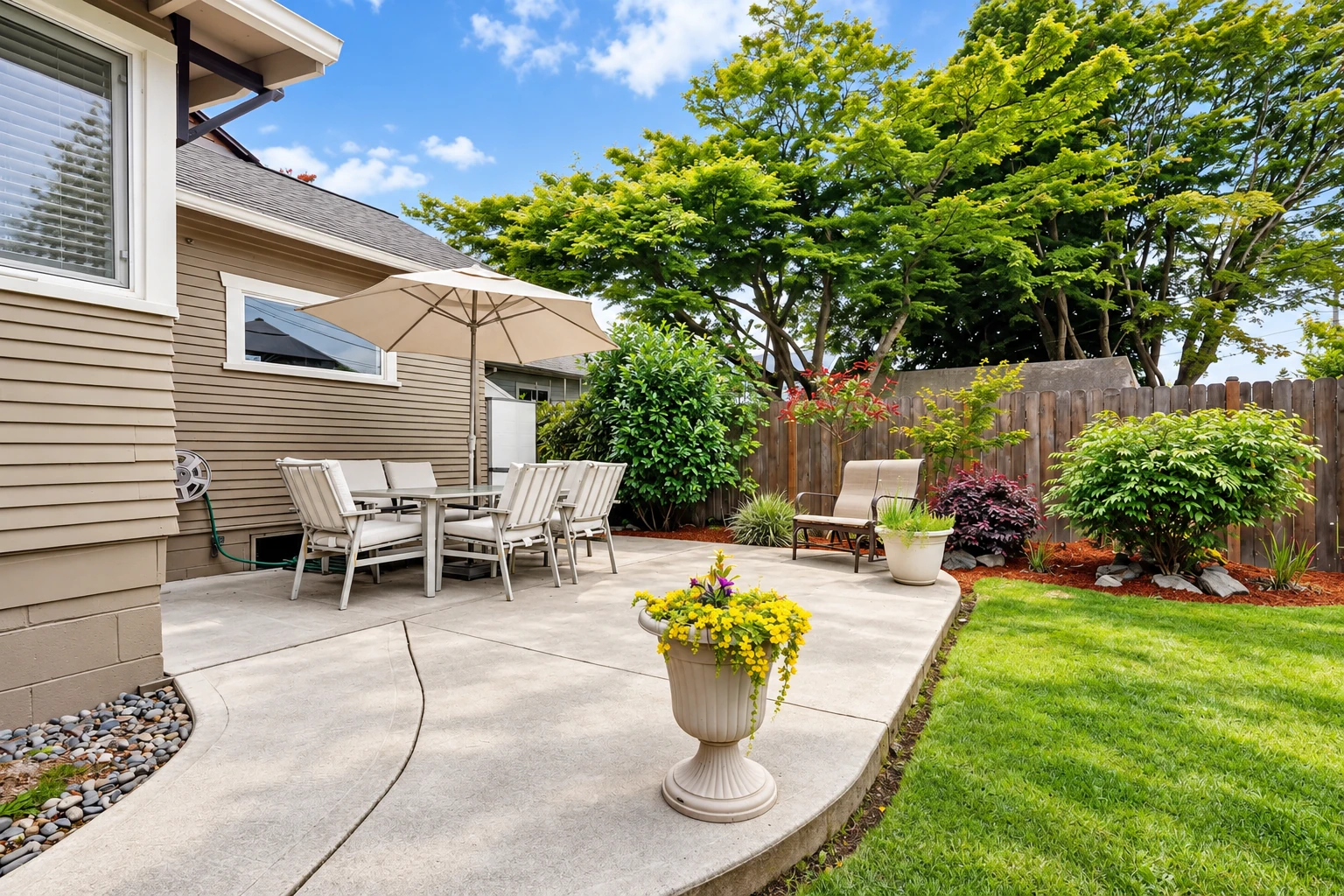
Downey is a city of single-family homes with apartments and condos mixed in, and a lot of what we pour here sits on the street side of the lot. That means driveways that run from the garage to the curb, front walks, back patios and the apron where a driveway crosses the sidewalk to the gutter. That's the work I learned on a city public works crew before I started this business in 2020, and it's still what we're best known for. We drive over from Fullerton, the same crew you'd get in Norwalk or Brea.
Most of the old slabs we tear out failed from underneath, not on top. So on a Downey job, I look at the ground and where the water goes before I talk about the finish.
What sets the price and the schedule
Size and thickness set most of the price, then what has to come out first. Breaking up and hauling an old driveway costs more than pouring on open ground, and a soft or wet subgrade, the dirt the slab sits on, means more digging and more base. A broom finish, the light texture that keeps feet and tires from slipping, costs less than stamped or colored work. The schedule turns on the permit, the weather and curing, the days the concrete needs to harden before it carries weight. I come out myself, measure and give you a written estimate. I'll also tell you when you can walk on it and when you can park on it.
Why the base comes before the finish
If the budget's tight, the base is the first thing people want to cut, because nobody sees it once the concrete's down. I won't cut it. A base that's raked flat instead of dug out and packed settles with the dirt under it, and the slab cracks and sinks right along with it. We dig to firm ground, bring in base rock, pack it down and set the forms to grade before any truck shows up. Rebar, steel rod laid inside the slab, holds a cracked slab together so the pieces stay level. I'd rather you skip the stamped border than pour a nice slab on a bad base.
Keeping the new slab from cracking
Concrete shrinks as it cures, and it can crack, so the job is choosing where. We cut control joints, straight grooves that give a crack a planned place to form, before the slab has time to crack on its own. We pour early when we can, because midday heat dries the top too fast and leaves it weak and dusty later. We check where your water runs and slope the slab away from the house. If your front steps need work too, our concrete steps construction ties them into the new walk. And I want the street and gutter as clean when we leave as when we got there.